Canada’s oldest weekly newspaper
© 2026 The Picton Gazette
Since 1830


 4° Partly Cloudy
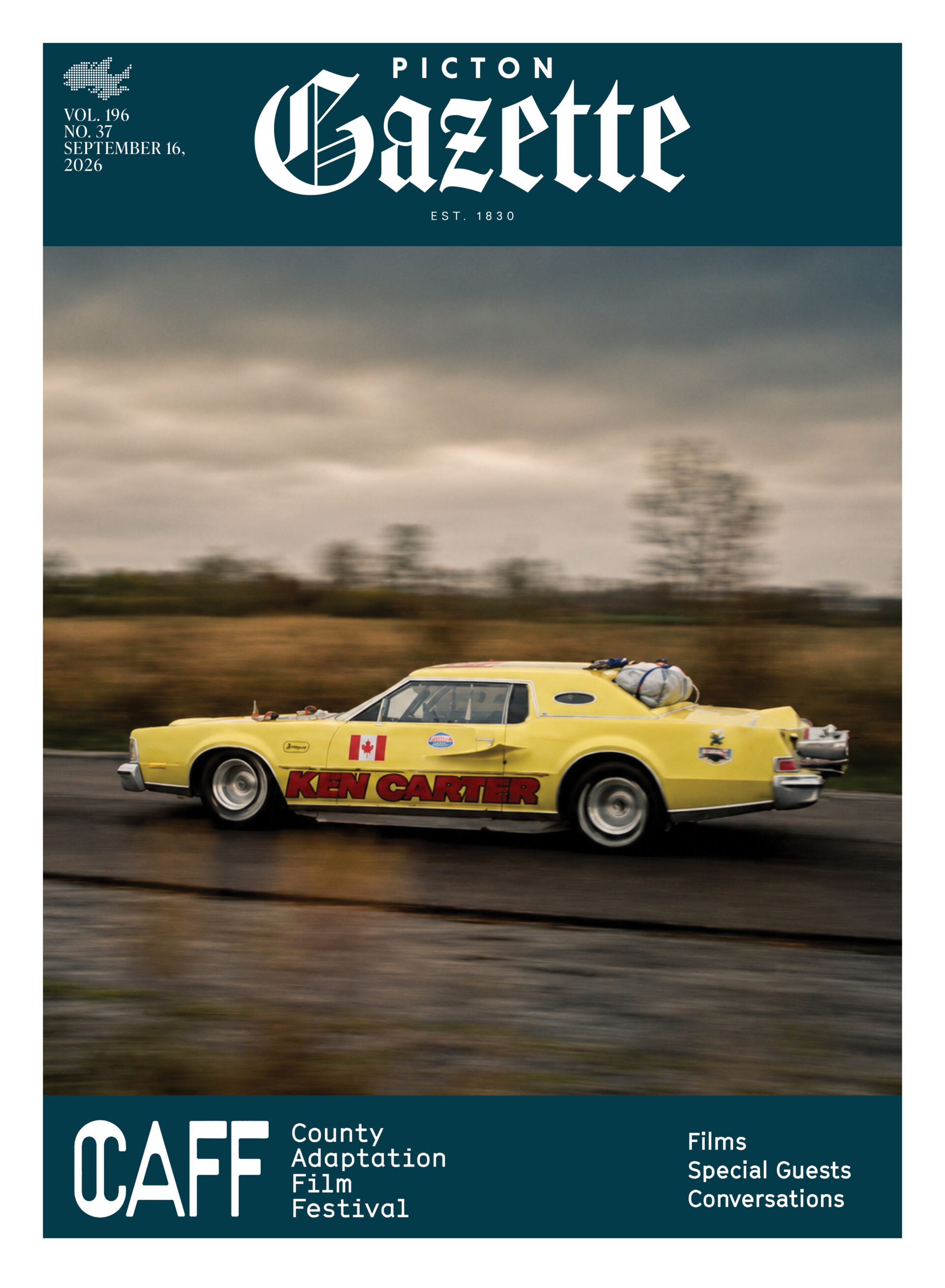
 This week’s cover features a still from CAFF opener The Stunt Driver.
“TIFF (the Toronto International Film Festival) was originally conceived as a kind of festival of festivals,” notes The Regent’s Executive Director John Galway, “and that’s kind of what this is, the result of our trying to pick some of the most interesting films of the year that are also adaptations.”
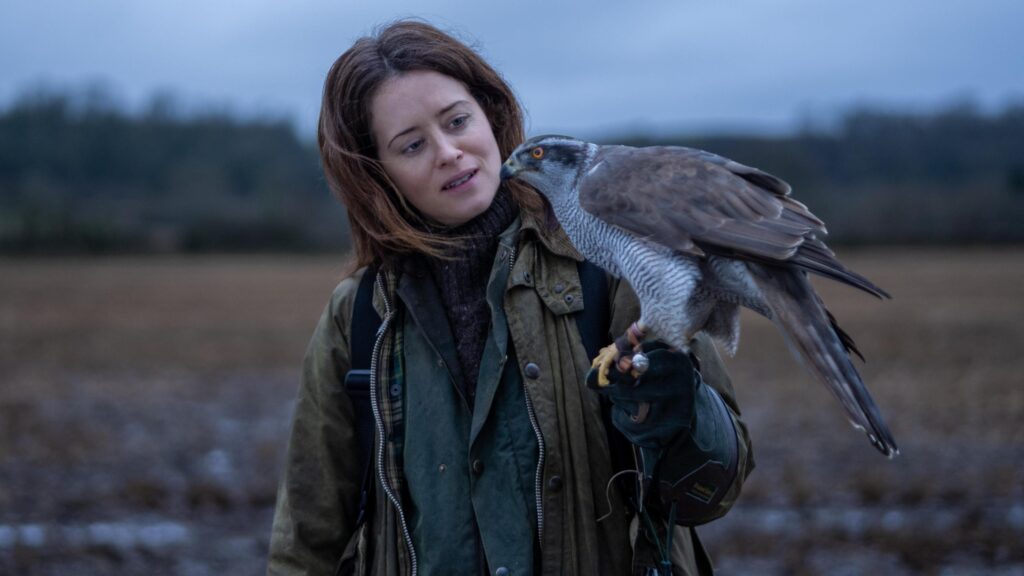
The result is a set of films you won’t have seen before. Just one, H is for Hawk, an adaptation of Helen MacDonald’s novel, is in wide release. Don’t let that stop you though: it is lavishly beautiful, set at Cambridge University and its surrounding, gorgeous, countryside, the big screen is the only way to truly enjoy the magnificent flights of the hawk at its center.
If Hawk is a gentle genre exercise, Victorian Psycho, a gothic horror thriller based on Virginia Feito’s 2025 novel, is another, not-so-gentle genre piece. It brings a nanny to a gloomy and remote mansion — where people soon start to disappear. Who can resist that premise? It’s been going strong for centuries now.
All of the films in this year’s lineup, while disparate in terms of country, genre, outlook, and language, are linked by their attention to the lives of heroes: the great, the evil, the unlikely, and the ridiculous.
Carol Pope is one of the great ones. Her fearlessness about her queer identity put her ahead of her time. “AntiDiva follows Pope’s career as a musician and as a cultural icon, a groundbreaker within the LGBTQ+ community in an era when that really jeopardized your success. She was a hero for many, because she lived a brave life that didn’t hide who she was,” notes Mr. Galway.
Ken Carter’s stunt driver falls into the ridiculous category. There is family-friendly comic relief in this story of the Canadian Evel Knievel. Famous for a series of wildly dangerous car stunts, Carter was the subject of a 1981 NFB documentary by Robert Fortier, The Devil at Your Heels; that footage is woven into CAFF’s Friday night opener, The Stunt Driver, which features Carter’s quest to drive a rocket powered Lincoln across a mile-wide stretch of the St. Lawrence River.

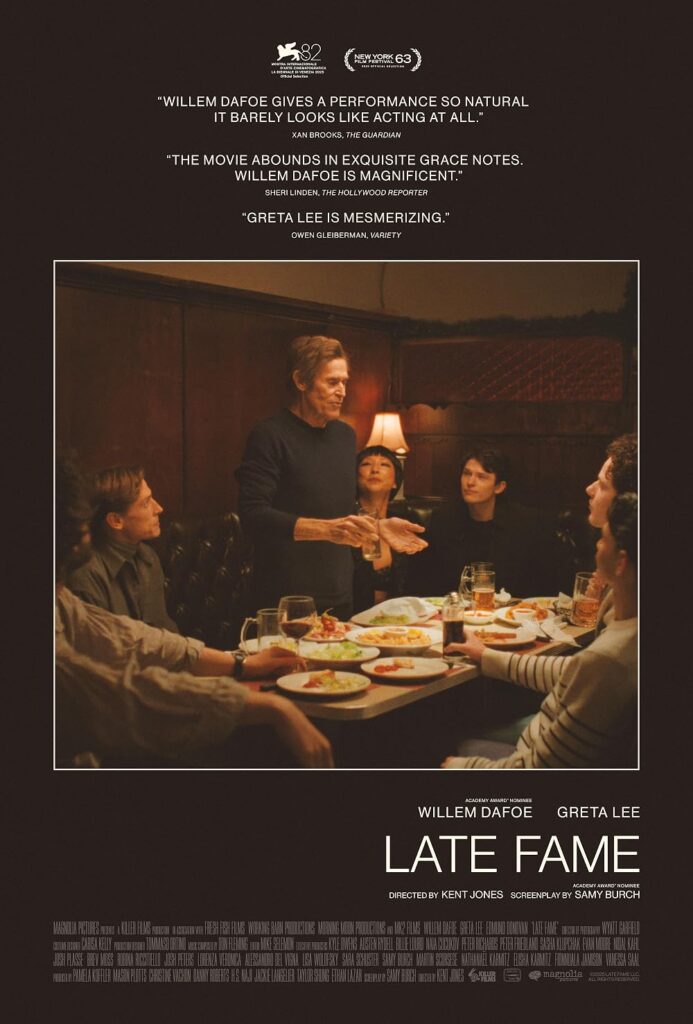
Late Fame’s Ed Saxberger (Willem Dafoe) becomes a most unlikely hero when an obscure book of poems he wrote in the 1970s suddenly captivates a group of young, hip New York intellectuals. The story explores creative life through the lenses of both age and class: the forgotten Saxberger is a postal worker, while the youngsters in whose glow he begins to bask are wealthy members of a literary salon called The Enthusiasm Society. But the film is perhaps most compelling in its attention to the power of history and nostalgia: Saxberger speaks to the young because he heralds a different time, another ethos. It’s the single hopeful note in a story about posing and pretension.
Both of the festival’s anchor films feature anti-heroes, whose complexity compels horrified fascination. Saturday night’s Primetime, and Sunday night’s political drama Minotaur, are multi-layered commentaries on the times in which we live.
Primetime, by documentary filmmaker Lance Oppenheim, features a creepily narcissistic TV host, Chris Hansen (played by Robert Pattinson), who entraps paedophiles for ratings in a way that, in his own eyes at least, gives him the moral high ground.
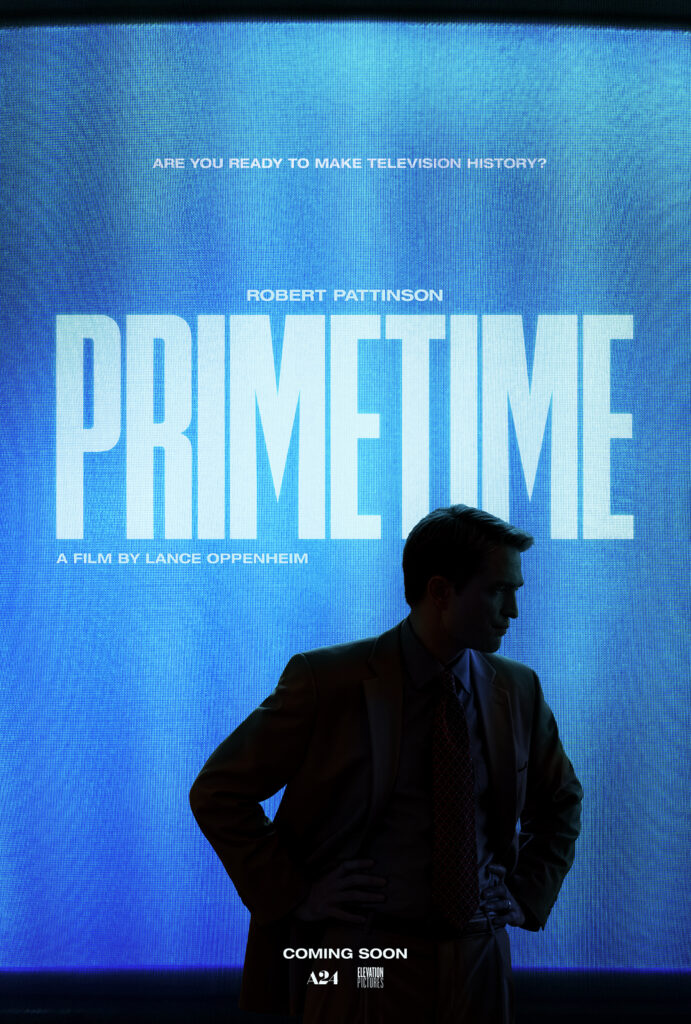
The film is based on a successful U.S. Reality TV show called To Catch a Predator — the name nods to Hitchcock’s To Catch a Thief, but that is where any refinement ends.
If Hansen’s show is an extended exercise in self-aggrandizement, the viewers who make it such a hit cannot escape their own moral culpability; they are participants in a truly sorry spectacle of public shaming. The film hits all our current cultural high notes: true crime, social media, celebrity, and their through-line, exploitation.
Cannes Prix d’Or winner Minotaur, by the celebrated Russian director Andrei Zvyagintsev, explores the lives of bad guys. It has excellent reviews, and as Mr. Galway notes, “it’s an important film to watch right now. I worry Ukraine is being forgotten about, and I think we need to start thinking about Russia as people, as individuals, not just as Putin. They, after all, are Russia’s future.”

The Russian oligarchs at the film’s centre recall America’s current ruling class: intelligent, enormously privileged, married fathers who are so morally compromised you wonder how they can live with themselves. We are surrounded by guys like this these days: Vance, Musk, Bezos, Trump. Their actions induce shudders of horror. The film examines how they make their terrible decisions, and why. It suggests life at the top is so morally impoverished, survival is all that matters.
That, of course, is no way to live.
In just its third iteration, CAFF has become a festival to reckon with. It brings us a lineup of films that foreground moral complexity, and insist we bring it to judgment.
See it in the newspaper