Canada’s oldest weekly newspaper
© 2026 The Picton Gazette
Since 1830


 14° Cloudy
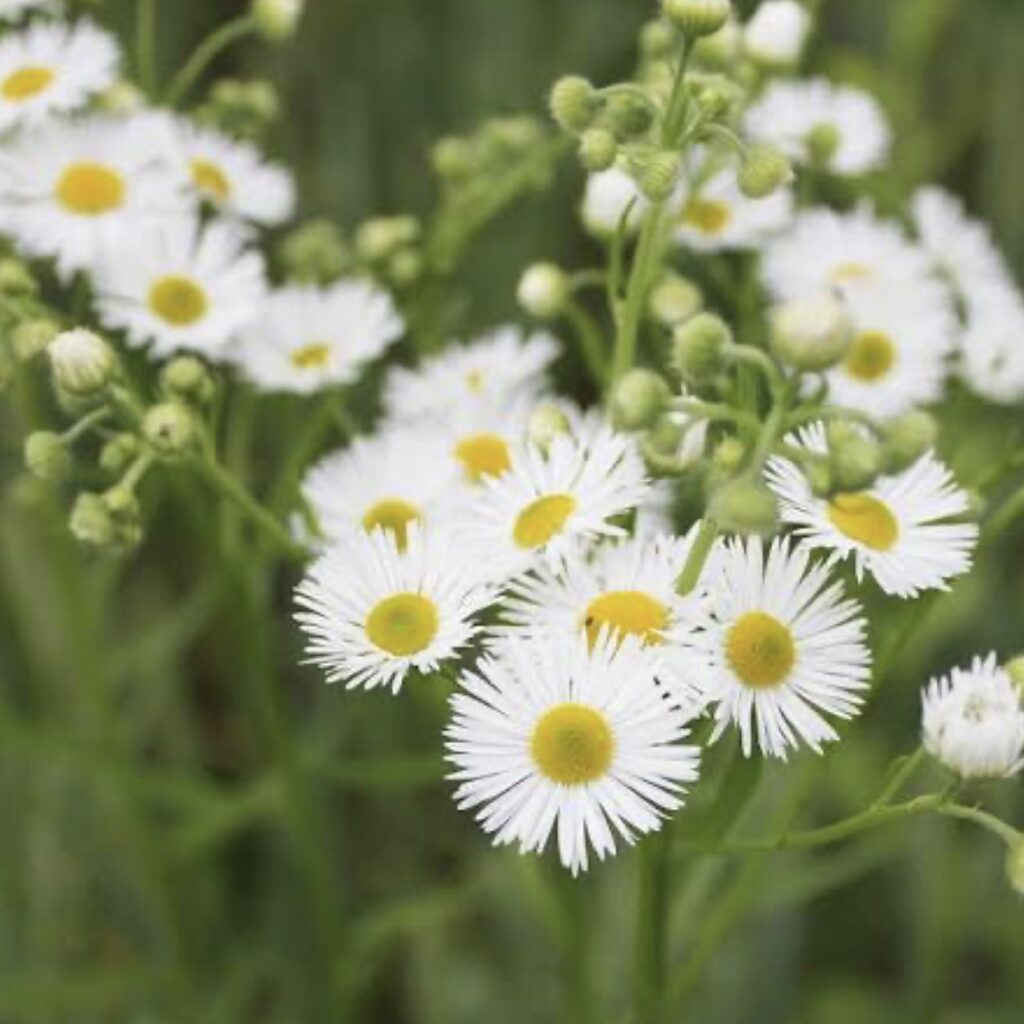 Flowering Fleabane (Photo: Government of Canada)
Palmer amaranth and waterhemp are headed for the prohibited local weeds list, while Canada fleabane, a native plant already widespread across the County, will get a more measured approach.
While the County is trying to get ahead of the first two, fleabane is already here.
“It’s a native plant, and a very aggressive seeder,” said Councillor Kate MacNaughton. “After reading this report, I pulled it from my garden, it is very prolific.”
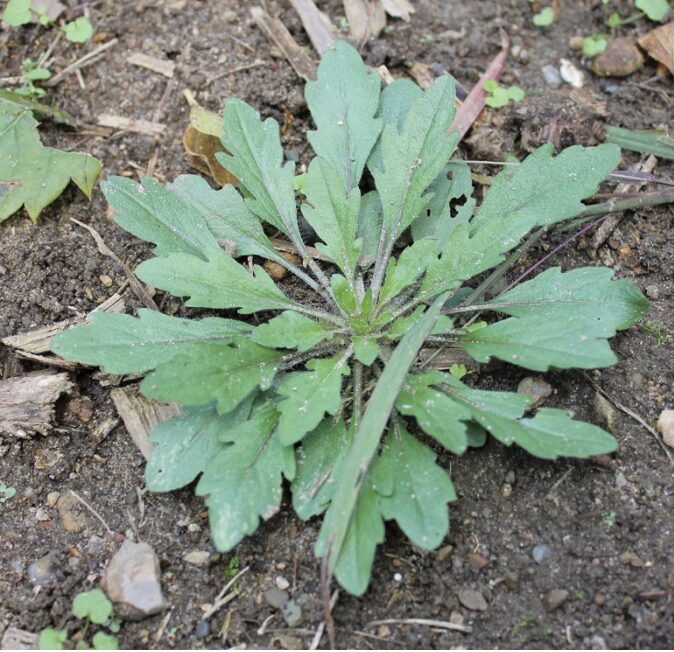
Canada fleabane is native to North America and grows in pastures, roadsides and cropping systems. It can compete with crops and has been associated with soybean yield losses of up to 90 per cent in heavily infested fields. Some populations are also resistant to common herbicides.
It’s also difficult to determine exactly how much of it there is.
The map included with the staff report identifies several known locations, but staff stressed it is not comprehensive. The plant may be widespread throughout the County, but its extent is unknown.
Councillor David Harrison said the map suggests the plant’s presence is much broader than the individual locations shown.
“I think the horse is out of the corral on fleabane.”
Adding fleabane to the local weed list shifts responsibility onto property owners to remove it if complaints are made. Staff warned that the change could generate more complaints, increase enforcement demands, and require additional municipal resources.
Managing fleabane on fallow land could also damage species at risk and habitats, creating additional permitting requirements.
Right now, public outreach is paramount.
Educational materials, including flyers, website information, community presentations, and signage are underway. There are plans to work with the County Farm Centre to connect property owners with farmers who can help manage fleabane.
While fleabane is already established, Palmer amaranth and waterhemp have not been officially confirmed to be in the County.
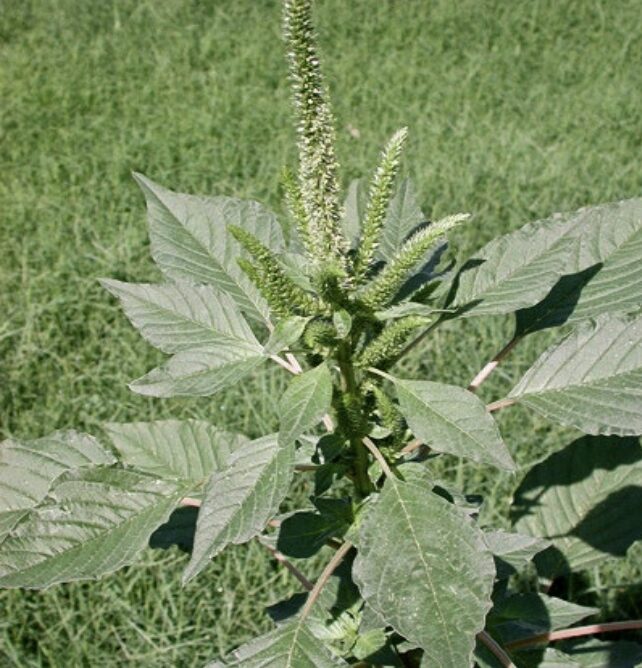
One Palmer amaranth plant was identified and removed by invasive species summer students, while two observations of waterhemp were reported through the citizen-science platform iNaturalist.
“They’re good candidates for us to beat the race for invasives, which we’re losing on a lot of fronts,” said Albert Paschkowiak, Supervisor of Environmental Services and Sustainability.
The two weeds are significant agricultural threats because of their rapid growth, fruitful seed production and resistance to multiple herbicides.
Palmer amaranth can grow more than five centimetres a day under ideal conditions and produce more than 500,000 seeds per female plant. Uncontrolled infestations can reduce soybean yields by more than 70 per cent and, in severe cases, result in crop failure.
Waterhemp can emerge continuously throughout much of the growing season; a female plant can produce 250,000 to one million seeds. Like Palmer amaranth, it has developed resistance to multiple herbicide groups.
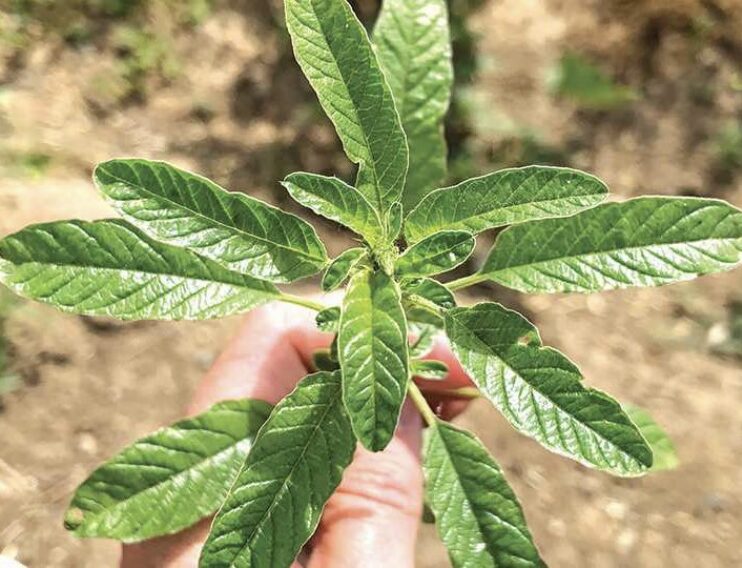
The County will also ask the Ontario Ministry of Agriculture, Food and Agribusiness to evaluate Canada fleabane, Palmer amaranth and waterhemp as potential additions to the province’s Noxious Weeds List.
An invasive species management program is on the way for public property, while educational efforts will focus on helping residents identify and manage invasive weeds.
See it in the newspaper