Canada’s oldest weekly newspaper
© 2026 The Picton Gazette
Since 1830


 3° Clear
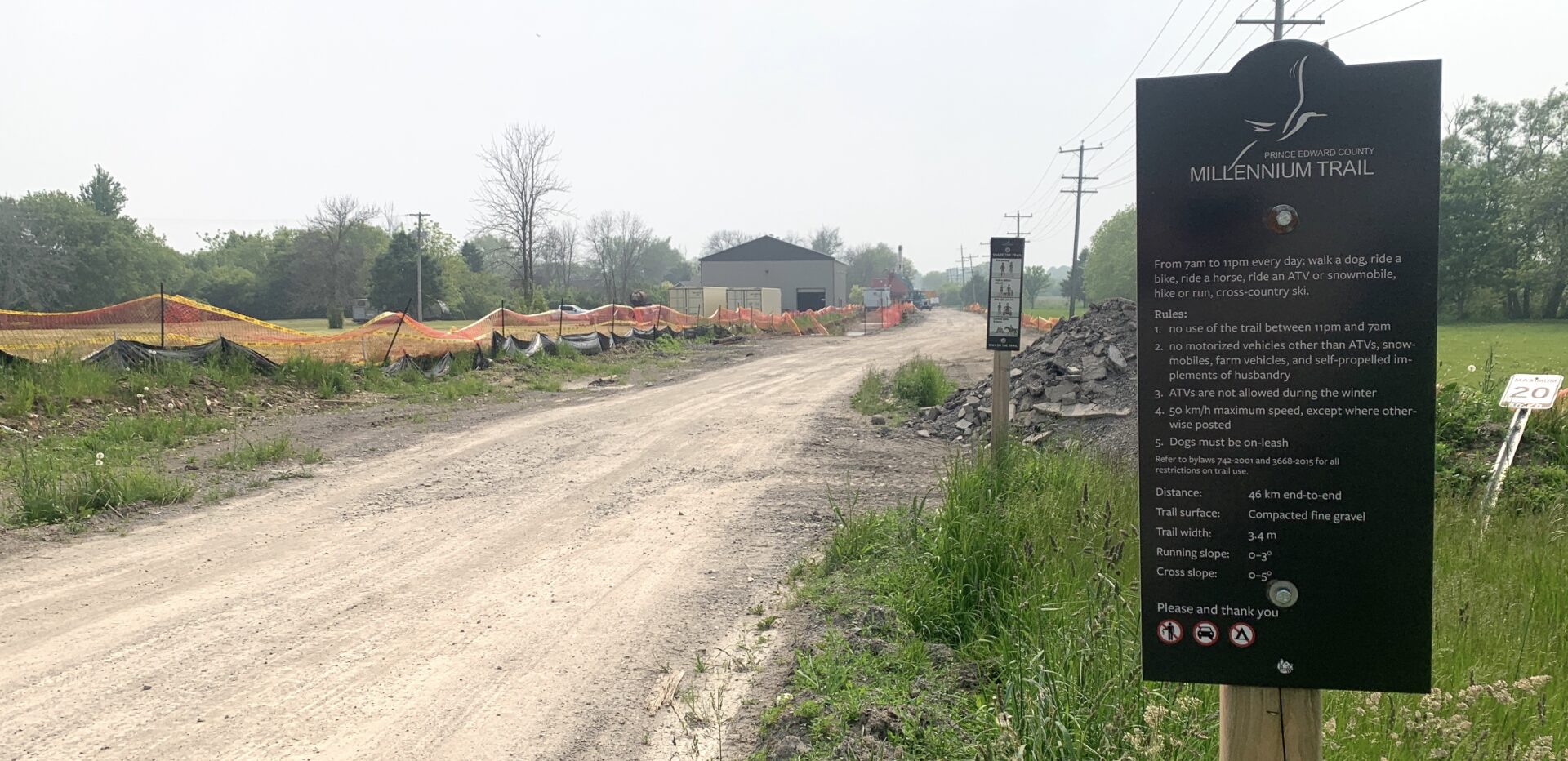 Financing for the water and wastewater trunkline project along the Millennium Trail will be completed through a 40 year amortization plan. (Jason Parks/Gazette Staff)
County Council is going long term when it comes to financing Wellington’s new waterworks.
Council voted June 23 to approve long-term financing of up to $31 million for the two Wellington trunkline projects and a 40-year amortization period. Director of Finance Arryn McNichol described the term as the “long-term useful life and growth-related nature of the infrastructure.”
Council needed to pass a motion to extend amortization beyond 30 years.
The projects are currently financed through cash reserves. Switching to long-term financing through Infrastructure Ontario’s Housing-Enabling Water Infrastructure (HEWI) program means a debt repayment of about $1.7 million a year.
The projects that run trunk lines along the Millennium trail form part of the broader Wellington servicing strategy identified in the town’s Master Servicing Plan. They will support existing servicing needs, improve system resiliency, and accommodate future growth.
In fact, as the projects are primarily growth-related, most of the financing costs will be offset through existing Wellington Area-Specific Development Charge (DC) reserves as well as future DCs. About $14 million from up-front development charges is already sitting in County coffers.
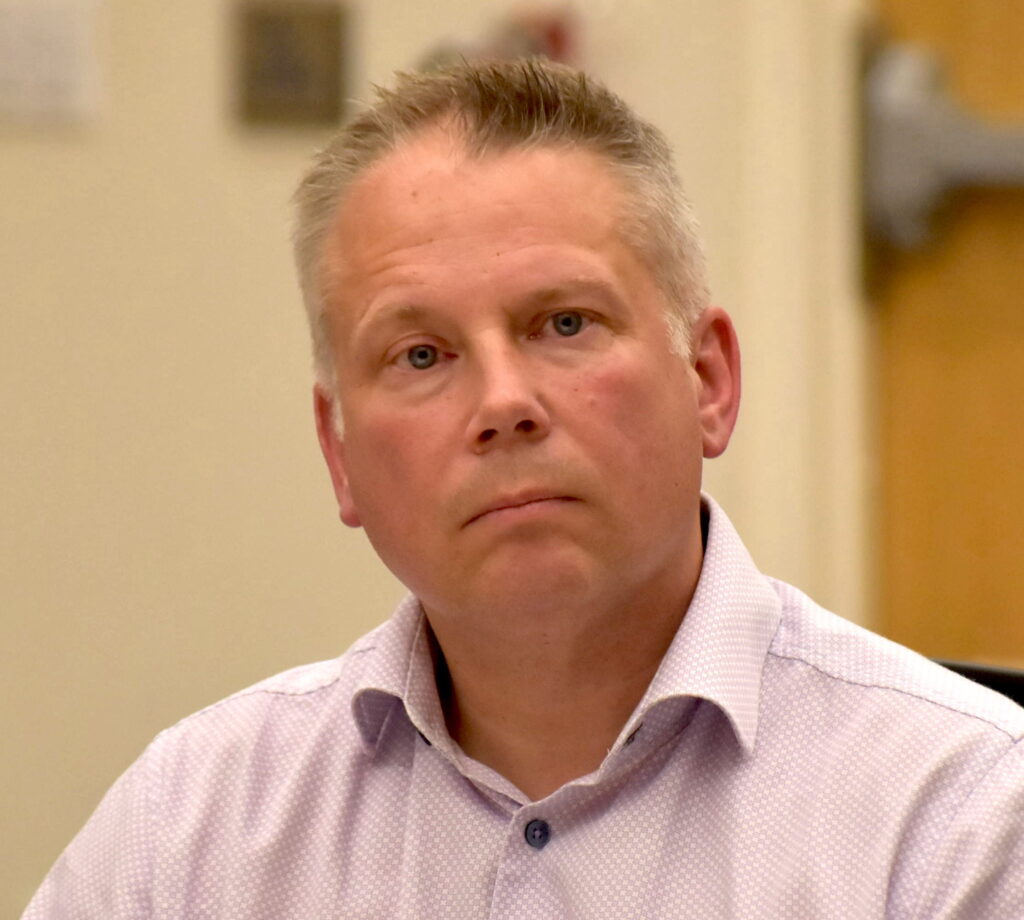
“So in terms of risk, there’s very little in this request,” noted Mr. McNichol.
“The wastewater portion of the project is 100 percent growth-related. Approximately 82 percent of the water portion is growth-related, with the remaining 18 percent representing benefit to existing users,” he continued. That means about $29 million of the $31 million project can be recovered through DCs.
“As a result, a significant portion of the future debt payments are expected to be supported through development,” he said.
At the same meeting, Council voted to approve a $5 million overage for the project due to construction delays caused by unexpected groundwater and harder-than-anticipated rock formations along the trail.
Director McNichol said the motion to extend the amortization term was related to the overage.
Councillor Brad Nieman inquired about adding $31 million to the County’s current debt load.
The Ministry of Municipal Affairs and Housing says Ontario municipalities may not carry more than 25 percent of their own source revenues as debt. The County’s own policy sets the ceiling at 15 percent.
“With this project, we are at 8.1 percent,” said Mr. McNichol. ”About half of what’s in our long-term debt policy.”
“That’s before our Long Term Care Home project and anything else we might have to finance through debt.”
“We will be close to our own 15 percent policy once the Long Term Care Home debt is transferred,” Mr. McNichol said.
The new LTC facility will cost $90 million. Construction costs are currently being funded through a draw from Infrastructure Ontario. At a certain completion threshold, expected to be reached in June 2027, the project must also be financed through long term debt.
A large portion, or 45 percent, of that cost will be recouped through Ministry of Long Term Care provincial grants. The County is considering selling the present home. The 6.4 acre parcel was appraised at $4.2 million. Built in 1976, it was designed by renowned Canadian architect Ron Thom.
Nonetheless, the County’s debt threshold will loom large as Council turns to financing its Asset Management Plan. A 2024 ROTH Iams study of the County’s infrastructure (roads, bridges, facilities, buildings) estimated $52 million over ten years to bring or keep assets at “fair” condition.
Director McNichol indicated there were a number of avenues to explore for the 10 year AMP.
See it in the newspaper