Canada’s oldest weekly newspaper
© 2026 The Picton Gazette
Since 1830


 4° Clear
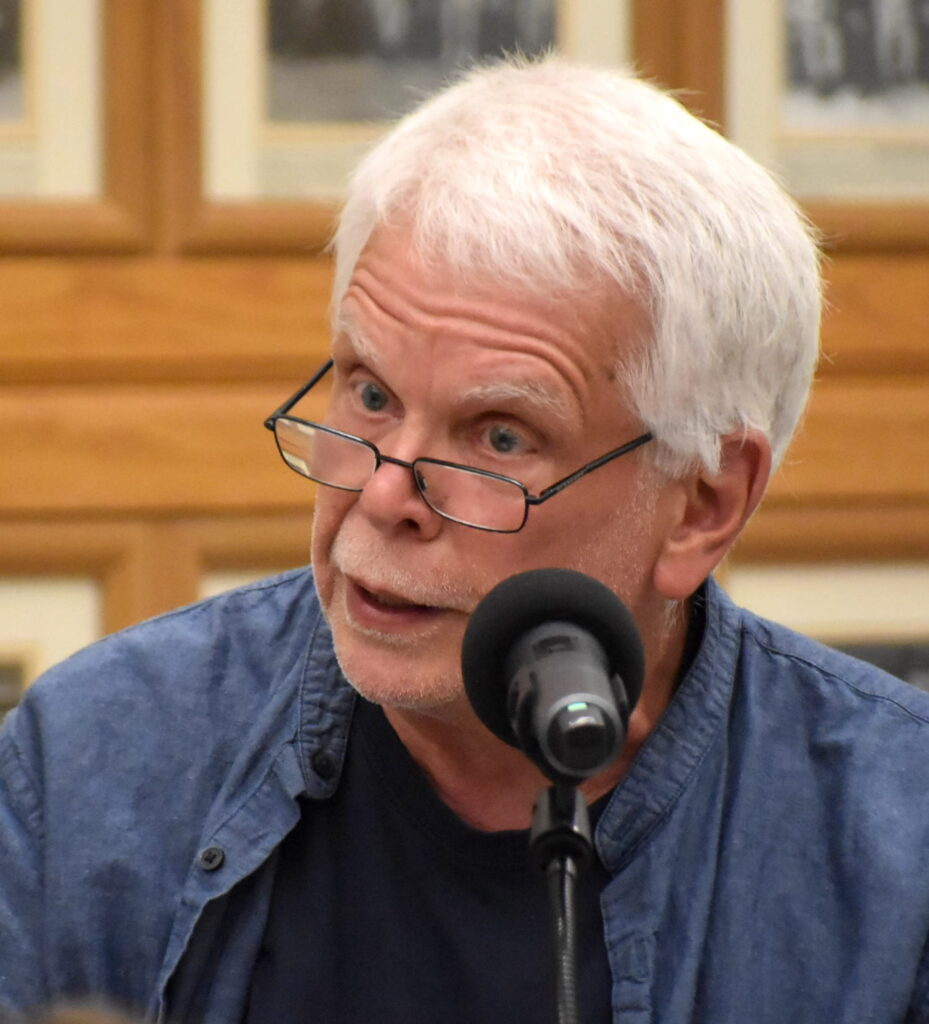
 Integrity Commissioner David Boghosian (Jason Parks/Gazette Staff)
Integrity Commissioner David Boghosian presented his 2025-26 report to Council June 23, while resident Paul Allen returned with a deputation urging changes to the Code’s conflict-of-interest regulations.
The municipality wanted to strengthen its Code after Mr. Boghosian advised Council earlier this year that its conflict-of-interest provisions lack enforceable language.
But Mr. Boghosian advised Council that the province is developing a standardized Code for municipalities. Local governments may be able strengthen their own policies if they are permitted to supplement the provincial framework.
“If it isn’t included in the provincial code and there is scope for adding or augmenting, I can certainly help with language that would beef up the code from that aspect,” Mr. Boghosian said.
Mr. Allen first raised concerns about the Councillor Code of Conduct in February after filing a complaint alleging Councillor David Harrison had a conflict of interest while voting on matters related to Picton Terminals. The Integrity Commissioner concluded the Code was not enforceable.
Returning to Council, Mr. Allen said the municipality does not need to rewrite the entire Code, only strengthen the section dealing with conflicts. “A member of Council should make decisions to benefit the public,” he said. “A member should not make decisions to benefit themselves, or their families or friends.”
Mr. Allen argued conflicts of interest are not limited to direct financial gain, but can also involve what he called “social capital, or access that’s preferential in some regard.”
Although he described the situation as “disheartening,” Mr. Allen said he had “no desire to criticize members of Council,” but hoped the changes would be completed before the next municipal election.
During discussion, Councillor John Hirsch asked whether the province’s Code would address the enforceability concerns raised by Mr. Allen, but Mr. Boghosian said he could not predict what the province’s final Code would include. “We’ll just have to wait and see.”
Councillor Kate McNaughton asked how municipalities could reduce ambiguity while retaining the ability to supplement the provincial Code. Mr. Boghosian pointed to municipalities such as Hamilton, which already have broader definitions of conflict of interest, as examples of how stronger language could be incorporated if municipalities retain the ability.
Meanwhile, Mr. Boghosian’s annual report described a relatively quiet first year as the County’s Integrity Commissioner. Three complaints alleging conflicts of interest and improper use of office were received during the reporting period, all of which were dismissed without proceeding to a formal investigation. There are currently no active complaints under either the Code of Conduct or the Municipal Conflict of Interest Act.
Council members sought formal advice from the Integrity Commissioner 11 times during the year, primarily regarding the Municipal Conflict of Interest Act, while nine inquiries from members of the public were resolved without leading to formal complaints. “This council has been… good, in my opinion, in seeking advice, probably more so than a lot of other municipalities,” Mr. Boghosian said.
The Clerk’s Office will launch a public education campaign this summer to help residents understand upcoming changes to the municipal Code of Conduct ahead of the 2026 municipal election.
Bill 9, the Municipal Accountability Act, establishes a standardized Code of Conduct for municipalities across Ontario. The provincial framework is expected to replace the County’s current Code of Conduct and govern the next term of Council.
The campaign will explain how the new Code is expected to work, what it means for elected officials, and how complaints will be handled. Staff will return to Council in early 2027 with recommendations to align local policies and complaint procedures with the new regulations.
See it in the newspaper