Canada’s oldest weekly newspaper
© 2026 The Picton Gazette
Since 1830


 24° Mostly Cloudy
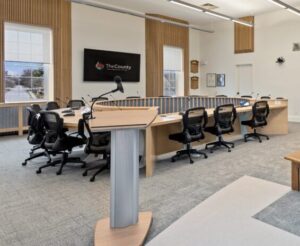 The Horseshoe at Shire Hall (Photo: Jason Parks)
The 2026 municipal election just got a lot more interesting. Both councillors and the new mayor will earn significantly more than they do now starting January 2027.
Council voted 8-6 to increase the pay for the upcoming term. The mayor’s salary will be $96,550, a 40 percent increase from the current $59,290. Councillors will make $40,422, almost a third more than the current $29,645 annual rate.
Councillors MacNaughton, St-Jean, Branderhorst, Hirsch, Maynard, Roberts, Grosso and Mayor Ferguson were in favour of setting the pay rate at the market average of a single-tier municipality comparator group. Councillors Pennell, Prinzen, Nieman, Engelsdorfer, Braney, and Harrison were opposed.
A series of pay options were on the table, ranging from an Ontario Living Wage of $96,500 for mayor and $47,000 per councillor to a “status quo” option that pegs increases to the Consumer Price Index (CPI), or about 2 percent a year.
Council has been grappling with the pay increase debate for weeks. At its June 9 meeting, votes to keep to the status quo and to increase to an average rate for single-tier municipalities both failed in 6-6 ties. A majority of councillors voted to reconsider at the June 23 meeting of Council, drawing howls from those opposed to any pay increases.
Similar voting lines from the previous meeting re-formed Tuesday nightand the debate was once again energized, but not as contentious. Proponents of a pay increase said the status quo option was a barrier to entry for all those who cannot manage a 30-hours-a-week-or-more part-time job compensated at less than a living wage.

Opponents cited an increase to taxes at a time when many families are struggling financially and the municipality is in financial straits.
Critics of that position pointed out the increase would be minimal; councillor pay is one of the smaller items on the municipal list of expenses.
Councillor Chris Braney was adamant that shrinking the size of council should come before any pay increase.
“We’re going to have this conversation; I just feel now is not the time. We have that trigger of a discussion in the form of the question that the next council is going to have,” he said. “I want to wait for the outcome of the ballot question. I want to hear what residents have to say, and I want to put my faith in council after we hear from the residents. Then the council can make those decisions.”
But South Marysburgh’s John Hirsch said that Council needs a pay philosophy. He suggested a single-tier municipality should pay its councillors and mayor accordingly, though he did note the County’s population size made it an outlier; it is one of the smallest single-tier governments in Ontario.
“But the reason I think it’s important to do something now is we have an election coming up and so far, there’s a dearth of prospective candidates,” Mr. Hirsch said.
“We need to send out a message about what this job is really worth now. And I think what the job is worth is the average of the other six single-tier municipalities who are just like us.”
The living-wage option, the highest amongst those on the table, didn’t gain any traction at the horseshoe.
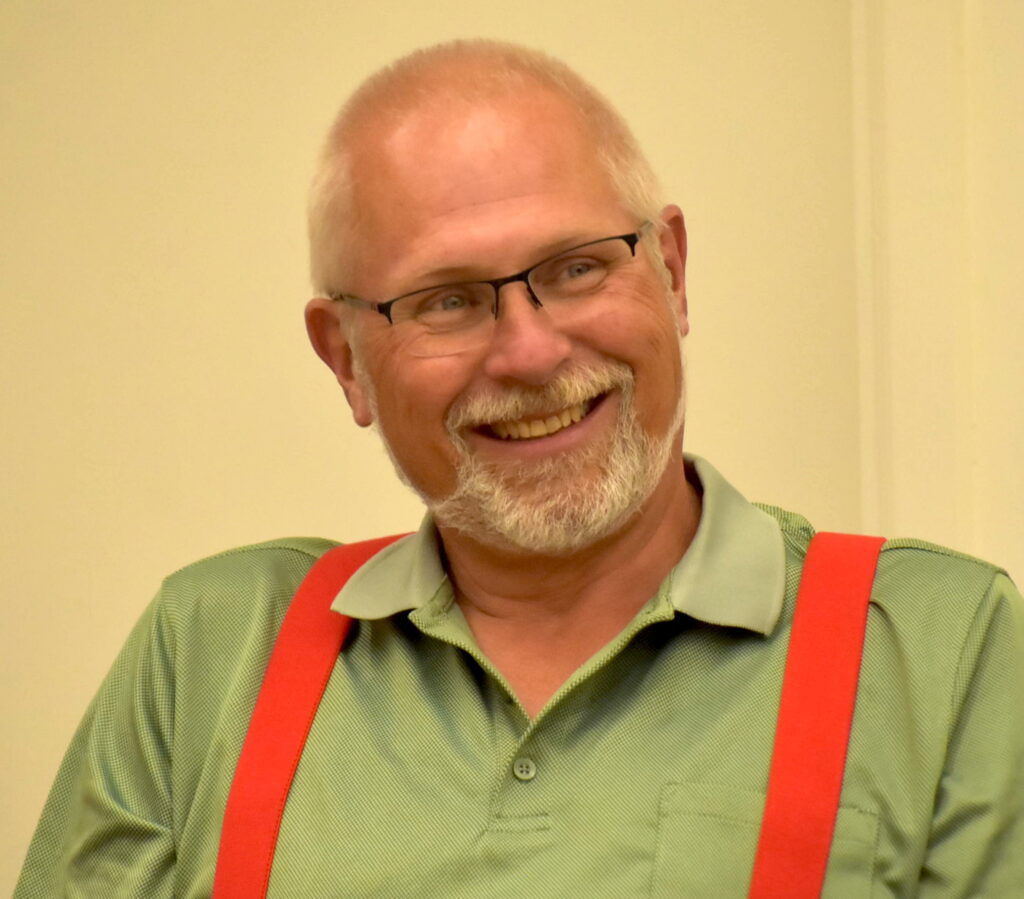
Councillor Bill Roberts has supported a living wage framework in the past, but he felt now was not the economic or political time to do so.
“Maybe in a time, some years in the future where we have basic annual income security, it might work, but I find it very uncomfortable to contemplate living wage compensation for councillors on the backs of a municipal residential demographic that has one third of our friends and neighbours in a situation of food insecurity and not near a living wage themselves,” he said. The option unanimously failed.
Councillor Phil St-Jean said the market average option was the first step in creating equity of access, making it easier for residents to to consider running for office.
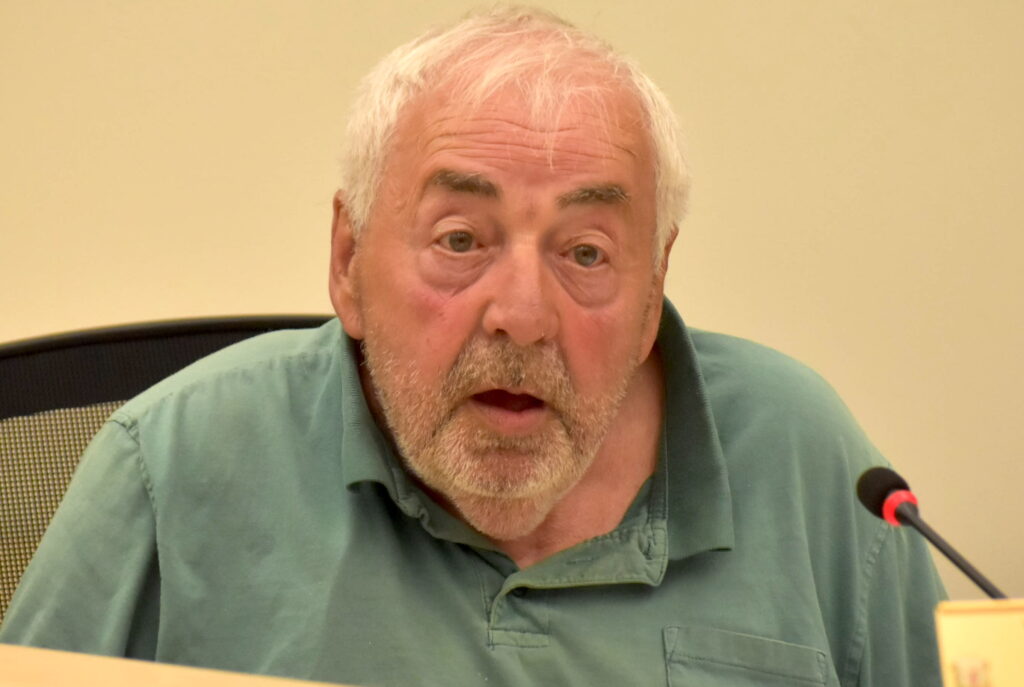
“We do not have a diversity of demographics at this table, at least not one that is truly representative of our community. For me, this is the first step. I could not support living wage because, while that is the ultimate goal, I do believe in making incremental steps.”
Councillor Roy Pennell came back to the financial optics of the increase.
“We have taxpayers that are having a rough time,” he said. “How do we, knowing full well that this municipality is millions of dollars in debt, justify voting to give ourselves a raise? That is beyond me.”
Across the horseshoe, Councillor St-Jean fired back that the motion wasn’t about raises but about setting compensation for the next term of council.
“You keep saying raises and it’s not true! Stop it!”
Mayor Ferguson called the vote on option 3, which passed. By press time, four new names had appeared on the County’s candidate nominations page.
See it in the newspaper