Canada’s oldest weekly newspaper
© 2026 The Picton Gazette
Since 1830


 15° Light Rainshower
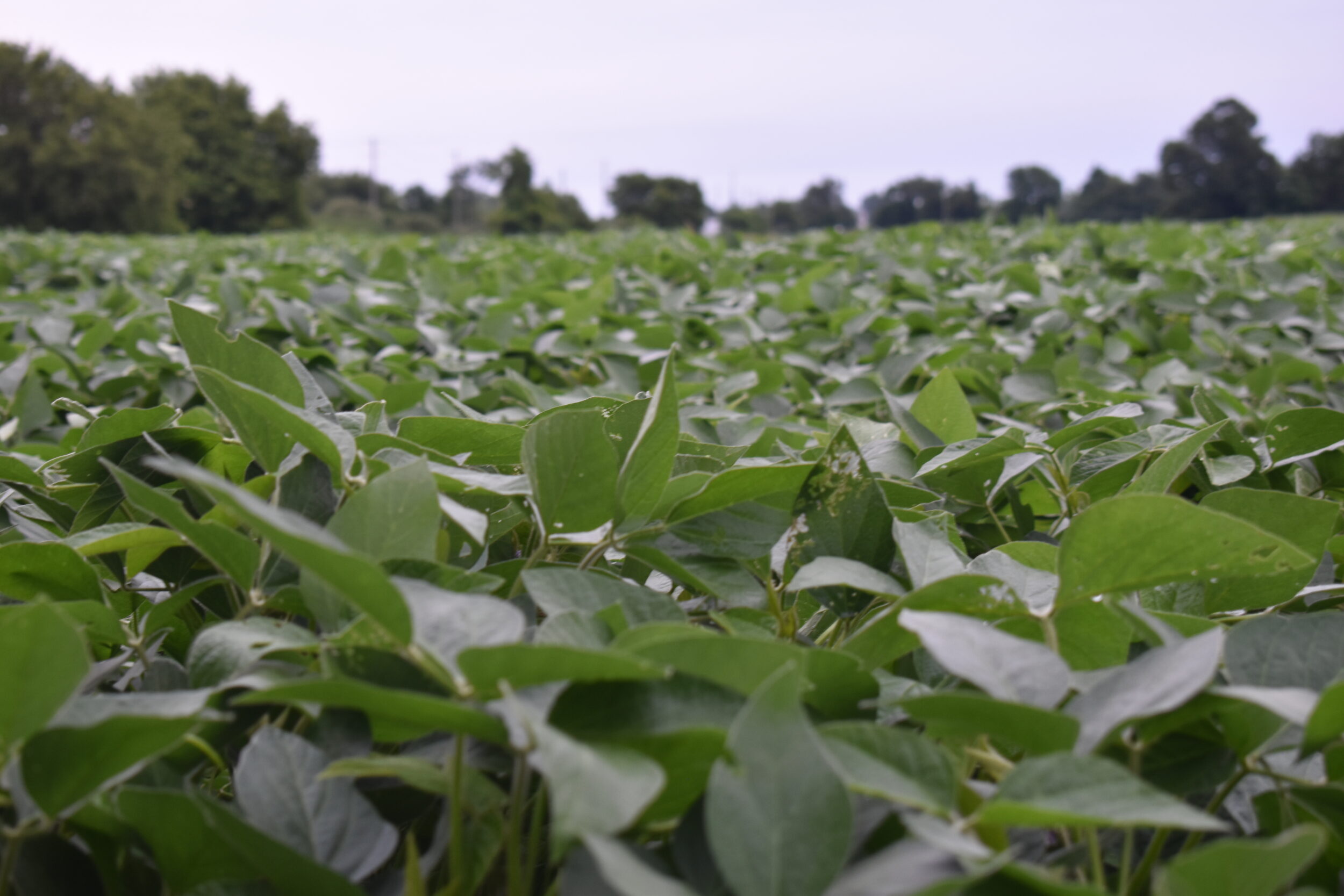 Soybeans growing in Prince Edward County. (Jason Parks/Gazette Staff)
Farm families across the province — and here at home — are partnering with the Ontario Farmland Trust (OFT) to conserve farmland.
20 Ontario farm families, including a handful in Prince Edward County, have designated 30 parcels of land for perpetual stewardship by the Trust.
An OFT conservation easement is registered to the title of a farm parcel and ensures the farmland will never be converted to non-agricultural uses.
Families maintain full ownership of their farms, but the binding agreements “run with the land,” which means they apply to all future owners. They can be modified only with proof that the changes will strengthen the protection of the property.
Farmland preservation is top of mind for the County Foundation. Between 2006 and 2021, Prince Edward County lost about a quarter of its farmland and 15 percent of its cropland, a designation that includes field crop lands and fruit and vegetable farms. Keeping farmland as a key piece of the rural Prince Edward County landscape is vital, according to Interim Executive Director Gillian Armstrong.
“Conservation easements protect our local food system, rural heritage, and the long-term resilience of our community. For these reasons, The County Foundation has supported the Ontario Farmland Trust’s efforts to engage and educate local farmers about this process, and so far four farms in Prince Edward County have been protected.”
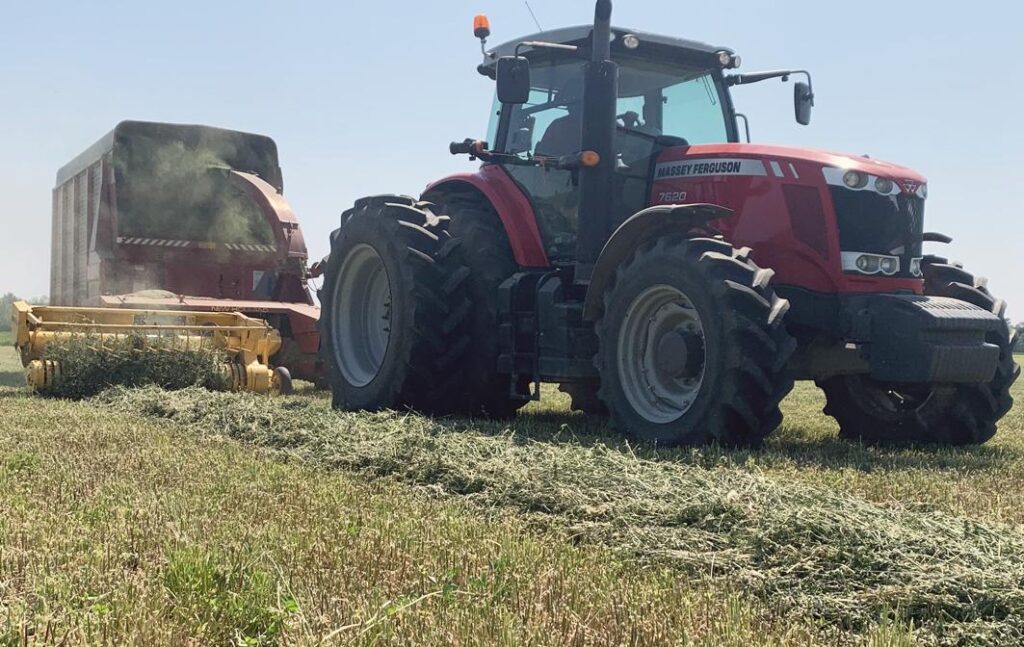
One of those farms is owned by Jen Ackerman. She says she decided to register out of her deep love for the natural world and the general despair she feels at the wetlands, forests, shorelands and farmland being sacrificed to housing and commercial developmentin the County. She wanted to do all she could to save her Walmsley Road farm, which might otherwise one day be sold as a housing development.
“I have never felt better about any decision than I do about welcoming the OFT into my world so they can protect the land as I have done since 1986,” she said.
One in nine Ontarians work in the province’s agrifood sector. Farming and agribusiness generates over $52 billion of Ontario’s Gross Domestic Product. The Ontario Farmland Trust’s Martin Straathof notes that the foundation of Ontario’s massive agrifood business is farmland.
Over 200 different commodities grow here thanks to Ontario’s world class soil, abundance of fresh water and temperate climate.
“People look out their windows in a rural setting and probably think there’s so much farmland out there and loss of farmland isn’t top of mind. But when we lose farmland, it’s never going back into production,” he says. “It’s a finite resource, and Ontario’s agrifood system and all the connected operations are where they are for good reason. You can’t pick it up and move it somewhere else.”
Only five percent of land in Canada is arable and only half of a percent of that total acreage is Class One, or prime soil. Half of that is located in Southern Ontario, where some of the world’s fastest growing cities are putting extreme pressure on municipalities and landowners. The City of Brampton grows in one day what the City of Quinte West grows in one year.
At the same time, rapid advancements in agriculture technology are masking the critical loss of acreage. Better genetics in drought resistant corn, soybeans and other row crops provide per acre yields once thought unimaginable 30 years ago.
While Ontario could just feed itself, Mr. Straathof points to Prime Minister Mark Carney’s recent comments about nation building and diversifying markets.
“We are growing not only what Ontario needs to thrive but also what the world wants,” Mr. Straathof said. “A big part of the future diversification of Canadian trade will be the ability to grow commodities for new and emerging markets.”
Mr. Carney noted recently that before recent trade tensions, China represented a roughly $4 billion export market for Canadian canola seed. Canada’s new trade arrangement with China means its tariffs on Canadian canola seed are expected to drop about 70 percent by March 1 — unlocking billions in business for Canada’s canola farmers.
But what if there’s no land on which to grow it?
“Agriculture isn’t going to be able to accomplish this important goal if we keep losing our farmland, including the best of the best farmland in Ontario,” says Mr. Straathof.
As many as 300 acres of farmland are taken out of production in Ontario each day due to residential and commercial development. In an era where acres in production are a finite resource and the ability for Ontario to produce is a growing concern, an Ontario Farmland Trust conservation easement is a valuable tool for farm families wishing to save the farm for future generations.
Farmland conservation easements came into effect in the early 2000s under Ontario’s Conservation Land Act. It was a critical time in land planning; a University of Guelph study had shown just how quickly Ontario’s farm land was dwindling. Ontario’s Greenbelt was created. So was the Farmland Trust.
See it in the newspaper