Canada’s oldest weekly newspaper
© 2026 The Picton Gazette
Since 1830


 16° Mostly Cloudy
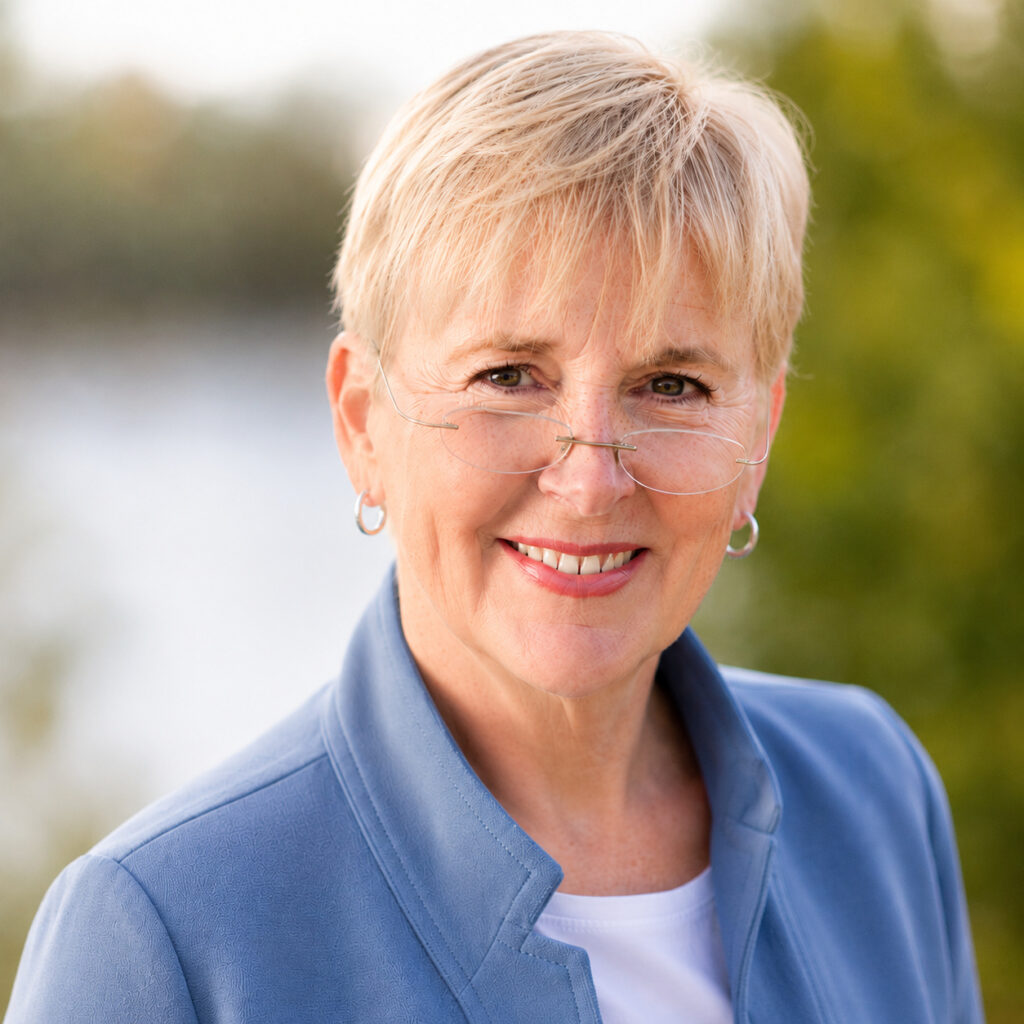
Jane Lesslie has more than two decades of experience as a financial analyst working with governments across the globe. She says the biggest issue facing the County today is ensuring it can meet new infrastructure needs without putting an unsustainable burden on taxpayers and water ratepayers. She hopes council will agree to an independent Standard & Poor’s credit assessment, an independent opinion from S&P Global Ratings on the relative creditworthiness of a borrower, corporation, or government entity. It estimates any likelihood of a default on financial obligations.
Other priorities include creating full time jobs, reducing greenhouse gas emissions, and re-visiting the way MAT dollars are distributed as part of a larger effort to increase tourism during the off-seasons.
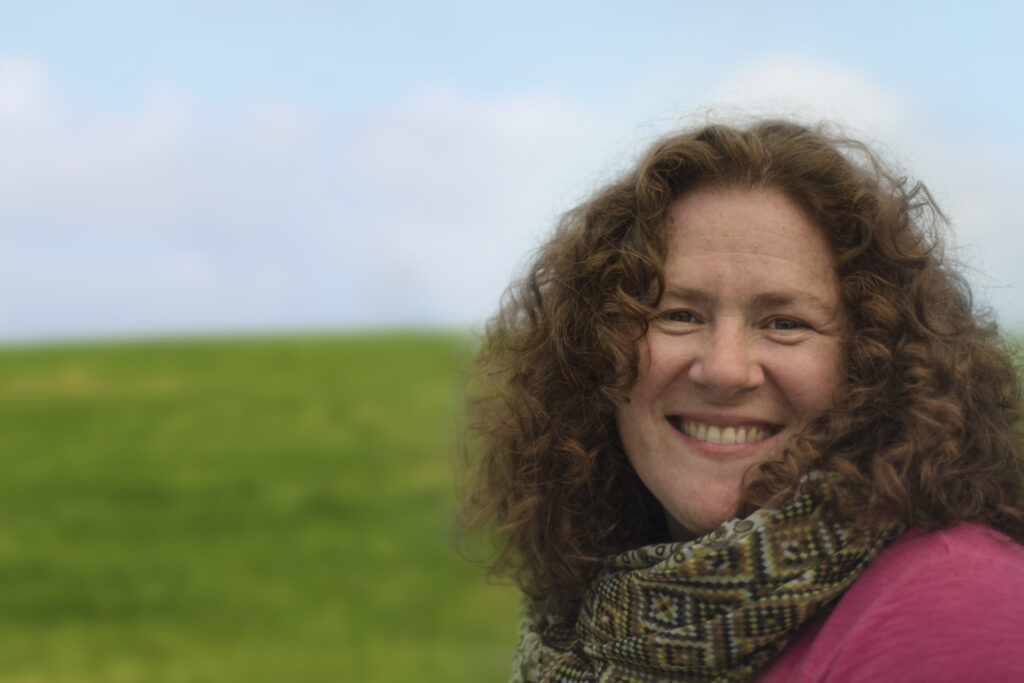
Diversity of representation, affordability, and, by extension, affordable housing were the cornerstones of Kate MacNaughton’s campaign. During her third term on council, she hopes to prioritize long-term vision over short-term votes.
“The success of our region as a destination has come with a price tag: extraordinary pressure on housing stock. The story you don’t see in the population figures and building permits are the thousands of people who have been forced out of this community this last decade due to sharply climbing prices. We need a stable, predictable housing plan with affordable options built in to stop the exodus. I’m hoping we’ll be able to find ways to off-set the worst impacts on our water bills. Enabling infill development and using the MAT for affordable housing are important routes to pursue.”
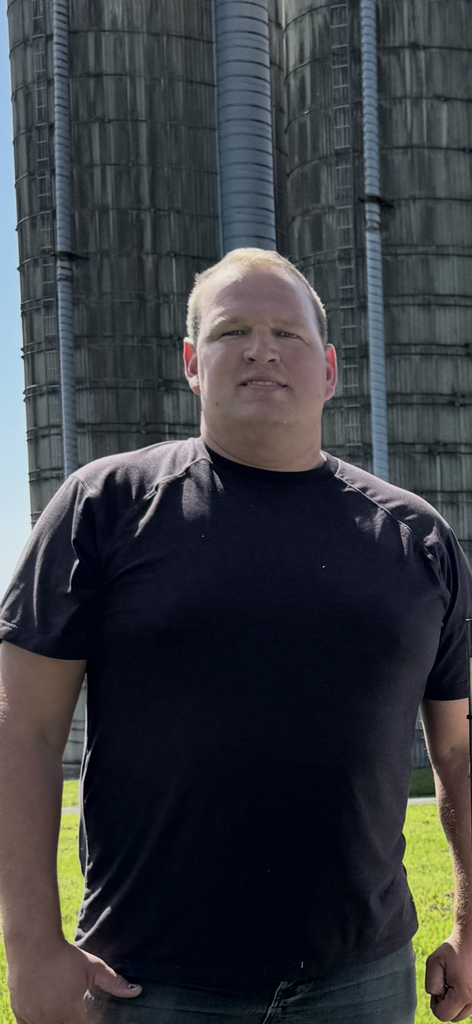
Kane Rutgers has farmed in the County for 35 years. His campaign prioritized infrastructure improvements, fiscal responsibility, and managing regional growth. He says the issue of water and wastewater must be addressed, but he is not in favour of a water line running from Picton to Wellington. He also hopes to prevent the loss of any more farmland.
“The MAT tax is a great start to recouping funds from those who visit and sustain our economy. It can continue to improve our roads. They take the most abuse due to high traffic in peak season. I think Visit the County and StayPEC could continue to promote all the County has to offer; we can continue to work together,” Mr. Rutgers said. “Protecting our built and cultural heritage will in turn help protect farmland and strengthen environmental protections. Growth and development are important but not at the cost of losing the County we all know and love.”
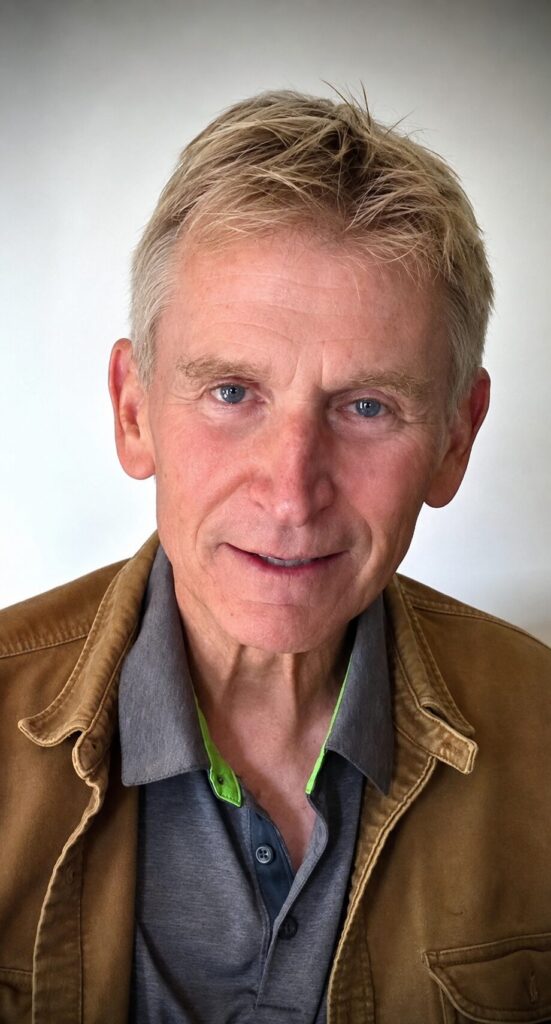
Mark Henry hopes to focus on the farm sector, climate issues and fiscal responsibility to help young people see a future in the County. He believes general affordability is the big issue, but solving water and wastewater issues are not far down the priority list.
He is not opposed to growth, as long as it is focused on attracting young families.
“There seems to already be enough land set aside for urban development. In an effort to encourage young people to move here/stay here, encouraging developers to look at building homes for first-time buyers is very important,” he notes.

Corey Engelsdorfer became publisher of The Wellington Times in 2017, and a councillor in 2022. He studied graphic design at Durham College in Oshawa before working with publications such as Carguide, World of Wheels, Boatguide, Canadian AutoWorld, West of the City and the Hamilton Spectator.
He says council needs to focus on delivering core services. His number one priority will be following through on the service review council started last term.
“I’d like to get back to basics. I think we need to get back to doing the best we can with the basics before we spread out. “I’d like us to look at core services and have those better funded,” he said.
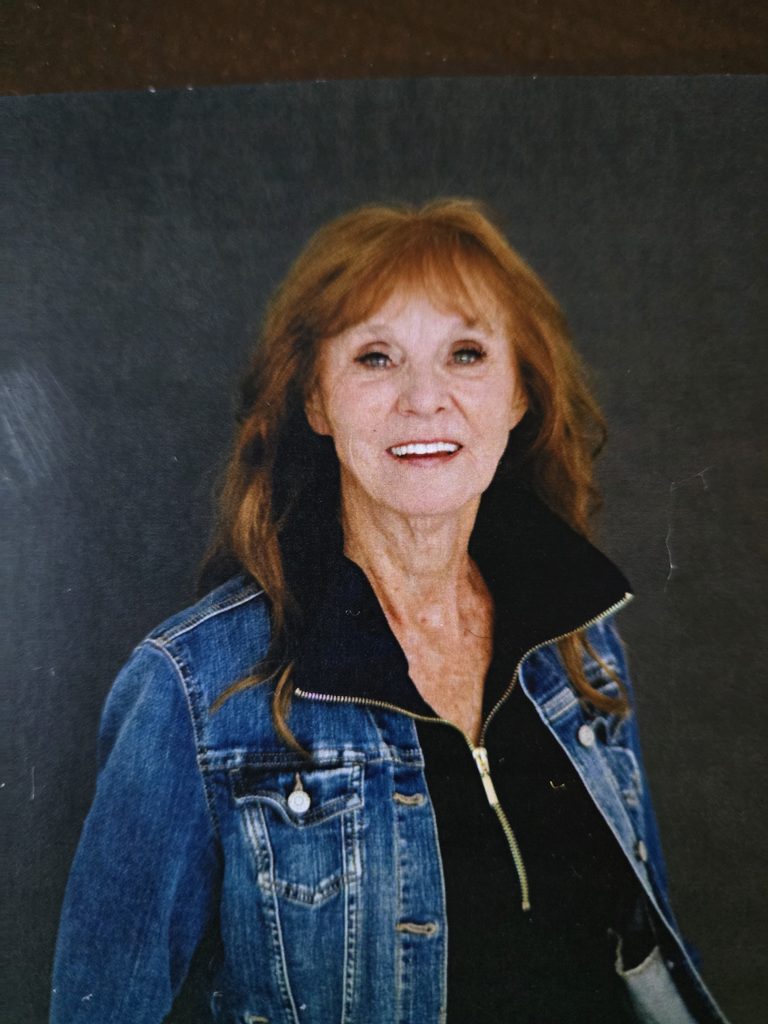
Roads are the biggest concern for Dianne O’Brien, who says the issue came up more than any other when speaking to the residents of her ward.
“I have spoken to several taxpayers on the campaign trail and I heard loud and clear their concern regarding the condition of the roads across the area and the immediate need for repairs. I would look at a larger portion of the almost $2 million collected in MAT in 2025 to go towards road repairs,” O’Brien said. Currently, about 63 percent of the municipal share of MAT revenues goes to road maintenance.
Protecting farmland by supporting the Community Land Trust, and working closely with the Agriculture Advisory Committee are additional priorities.
As for water infrastructure, O’Brien says the County does not have the money to even consider new infrastructure.
“Be relentless and determined with all levels of government to lobby for increased grants. We simply do not have the money at this time to move forward.”
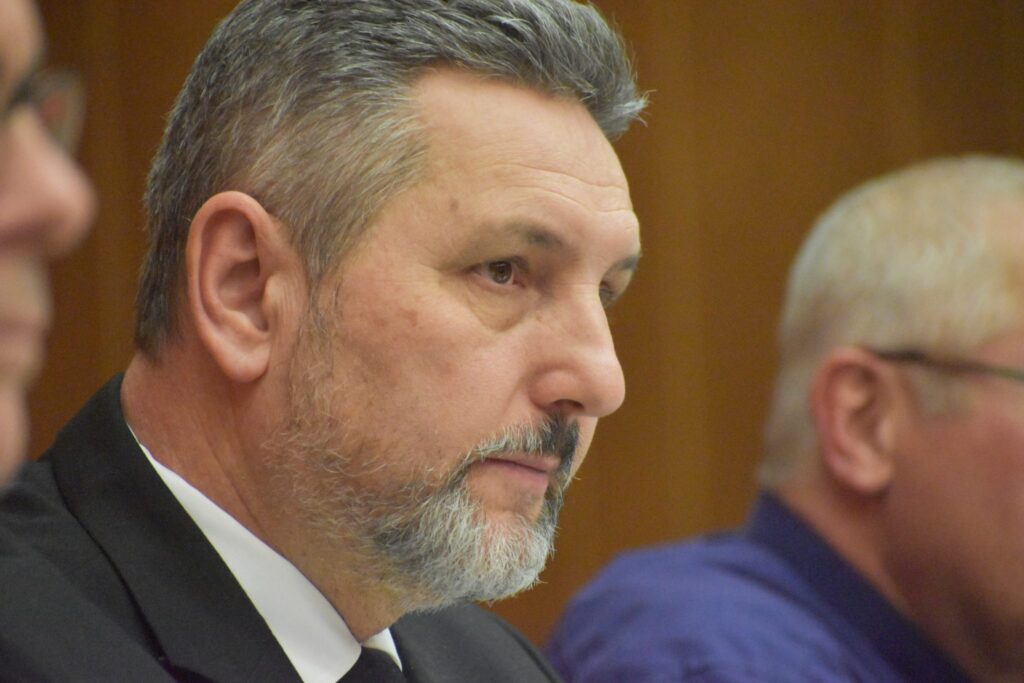
Andreas Bolik served in the Canadian Armed Forces for 45 years. He was vice-president of his Condominium Corporation when he lived in Ottawa, and a member of his local Community Policing Committee. He has also already served a term on County council. He stresses fiscal responsibility and prioritizing needs over wants.
“We must use property taxes wisely by ensuring we prioritize spending into those things that we must do, those that we should do, and those that are nice to do,” he says.
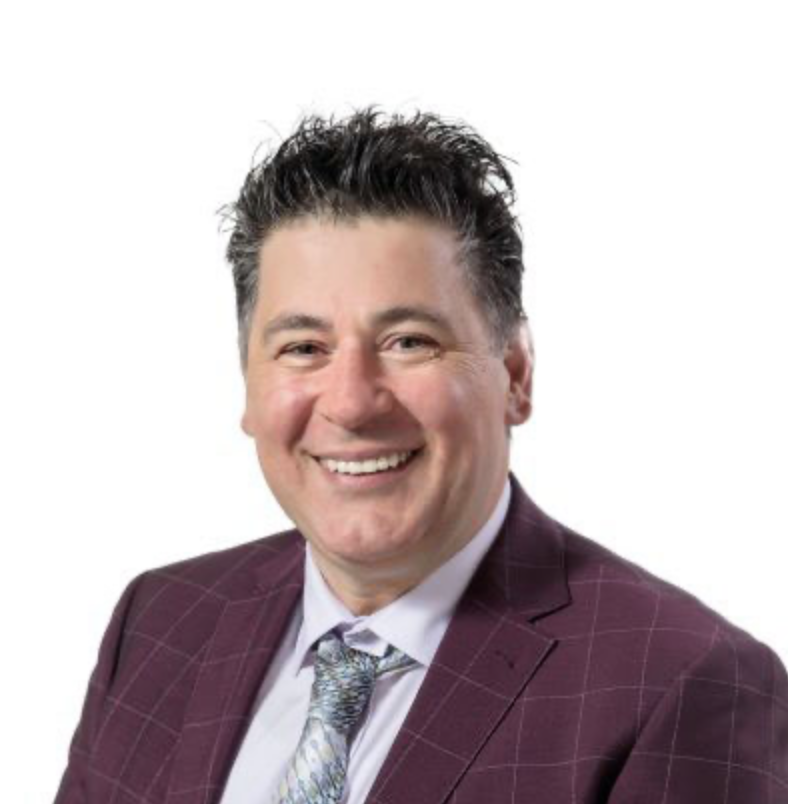
Sam Grosso campaigned on a 0-percent tax increase, finding efficiencies, and cutting unnecessary spending. He also hopes to bring greater attention to the state of roads in Ward 4.
He thinks the County needs to reduce red tape, hire fewer consultants, and see projects through to their completion.
“Sometimes when we’re stuck, council sends work back to staff for more work, and that costs money and time. We should probably stop doing that and start making decisions instead of sitting on the fence,” Mr. Grosso said during the Ameliasburgh Town Hall.
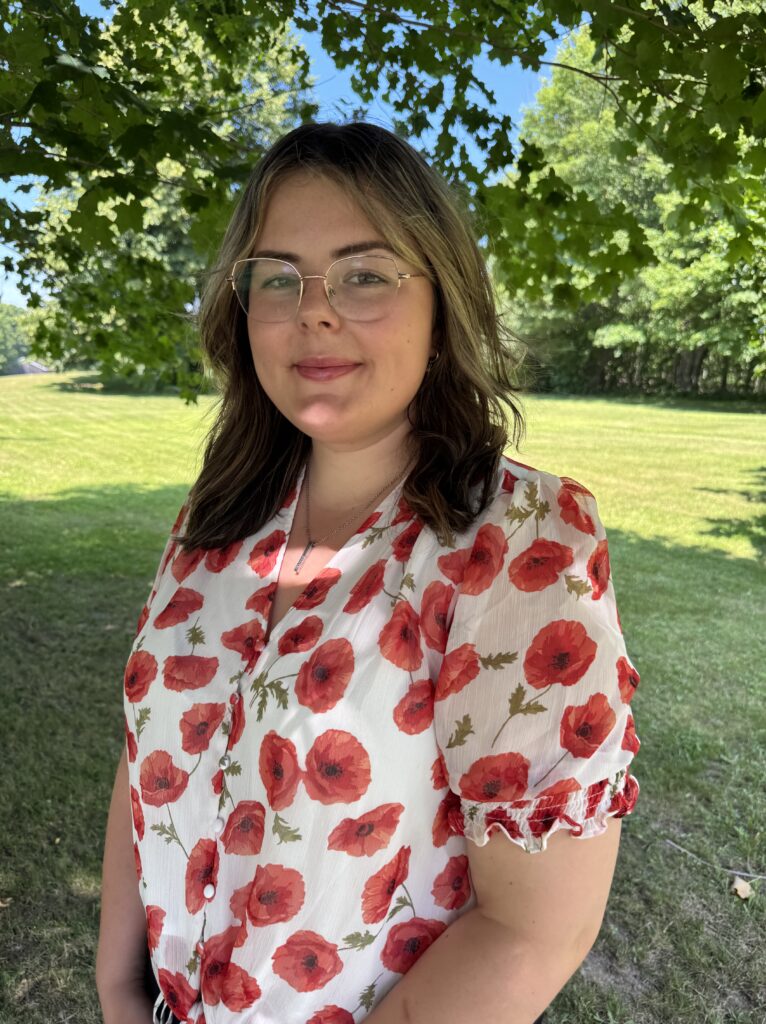
Emily Jane Pickstock says managing debt and the budget are her biggest priorities. She will bring a cautious approach to development, based on considering how much the County wants, rather than how much it can handle. She also says being elected to council is still settling in.
“It’s a bit surreal. I did a lot of door-knocking. I wanted as many people as possible to get to know me and who I am. It’s humbling to have so many people put their faith in me,” she says. “I grew up in the local area, but I didn’t know a lot of people. A lot of those votes are strangers turned friends and neighbours.”
Another priority is a four-season economy, not by attracting more people to visit, but by promoting what she calls “staycations” by residents.
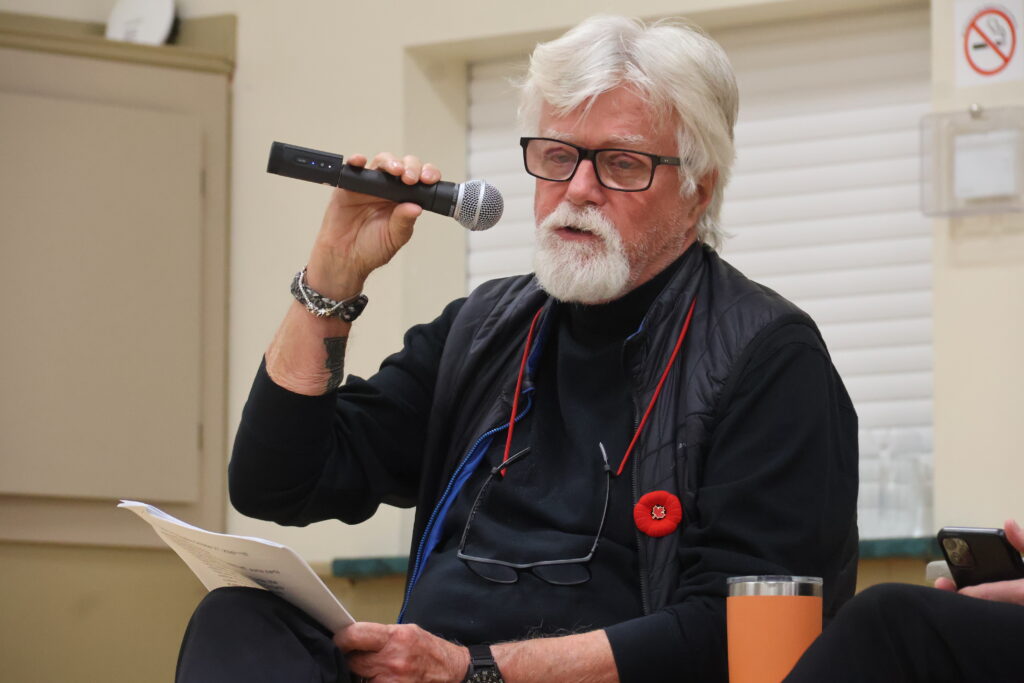
The next term will be Bill Roberts’ fourth. He has a Master’s degree in business administration and has served as managing director of TVOntario and as the CEO of
Vision TV. He played a major role in keeping Sophiasburgh Central School open, keeping Prince Edward County Memorial Hospital open and most recently, the reconstruction of County Road 49. He advocates for residential development and careful infrastructure planning.
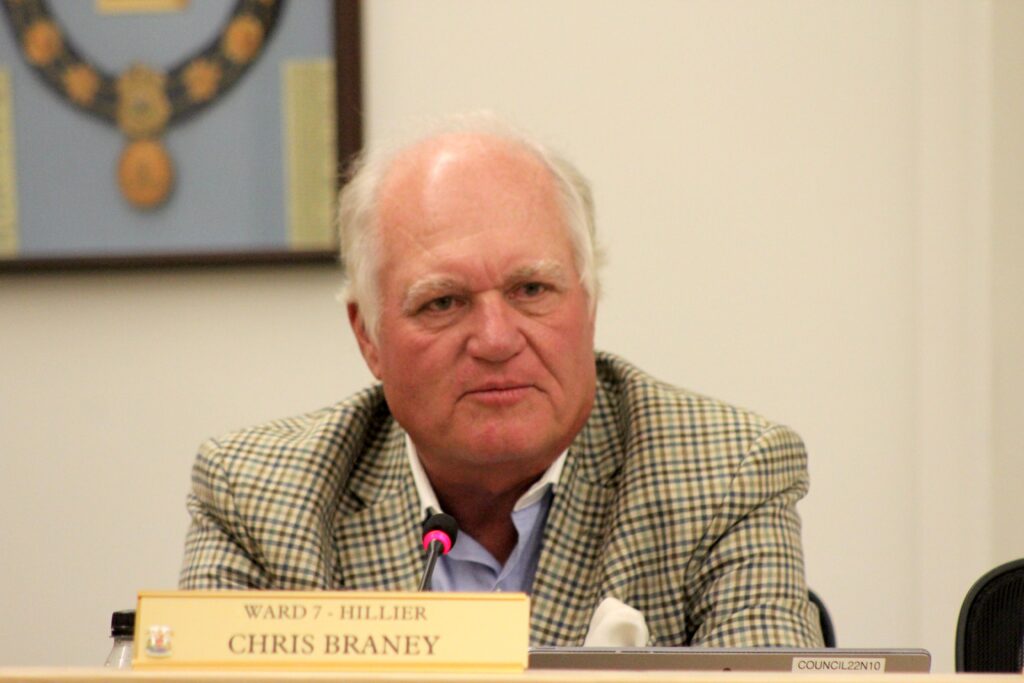
Chris Braney, a 30-year resident of Hillier, made the jump to municipal politics in 2022 after serving as a trustee for two different school boards. He has in the past been for growth in the County, stating he wants to help make it a place where young people can see a future.
“We need to take a good hard look at what our core services are, and look at what we can afford and what our priorities are, infrastructure-wise. Then we need to look from core services down in terms of what we can provide. That will be imperative. Our reserves have been depleted in the last term of council. We need to boost those.”
The cultural review Braney put forward during the last council term will be another immediate priority, along with a review of council size, which he believes can be handled without the help of a third party.
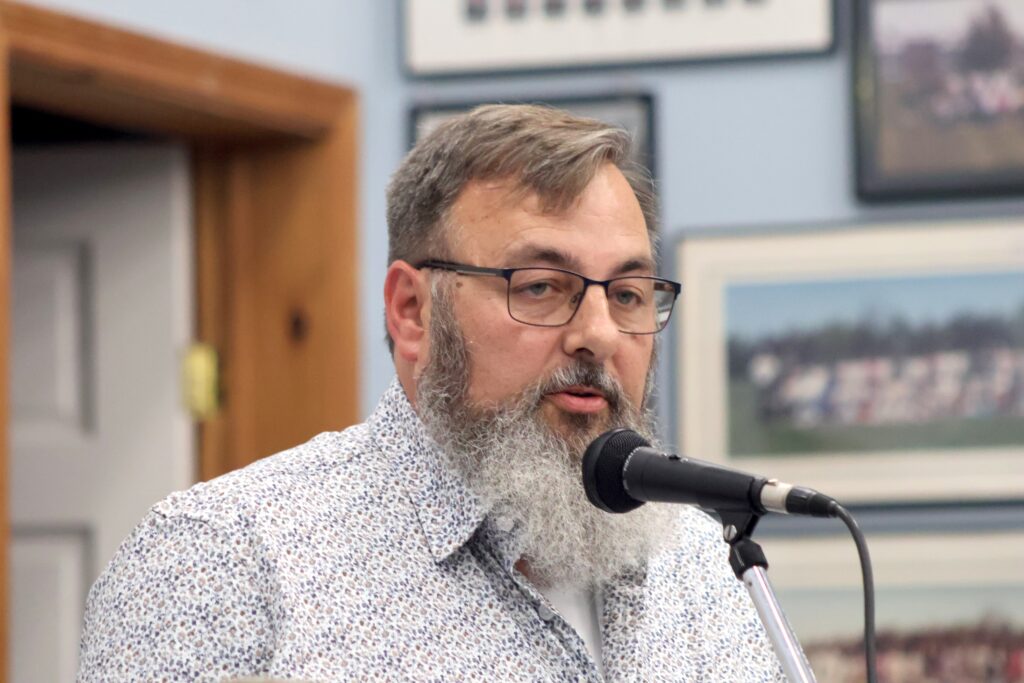
Ken Morton is the former owner of Deerhaven Farm & Garden. He believes growth needs to be balanced with protecting farmland and keeping the County’s “boutique” nature. He also hopes to use MAT dollars to support an increase to the roads budget.
“We need sustainable growth; the key word is sustainable. We must be able to properly support future growth with infrastructure we can afford.” On the other hand, Mr. Morton wants to combine urban amenities with the County’s traditional rural pace.
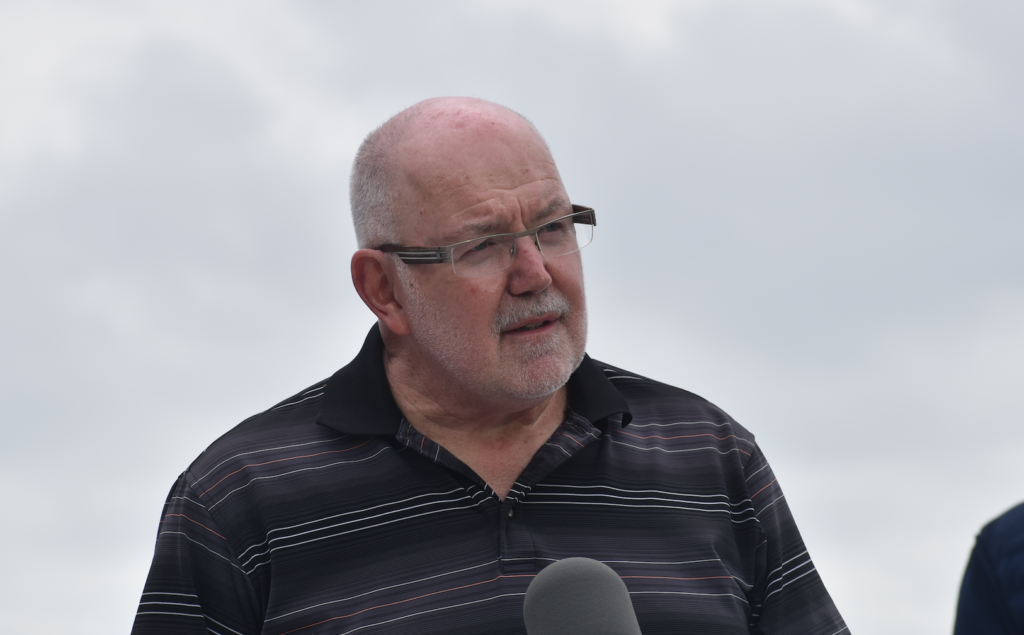
Throughout his career on council, John Hirsch has advocated for the environment He was a driving force in investigating Picton Terminals, and has consistently advocated against industrialization of public lands and for residential housing development.
“I want to do more for the people of South Marysburgh. Many issues were not properly dealt with by this last council due to lack of knowledge or understanding of a number of councillors. I am certain that under the leadership of my choice for Mayor, Ernie Margetson, we will do much better,” Mr. Hirsch said.
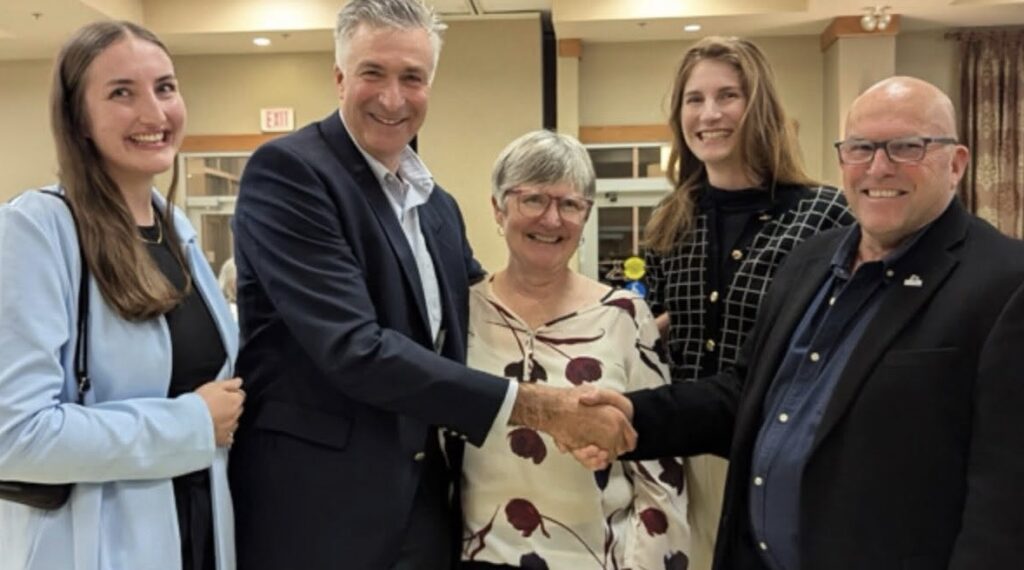
Fiscal responsibility and creating a cohesive council are top of mind for Ernie Margetson’s year ahead. The newly elected mayor is willing to accept growth as long as it is handled correctly. Margetson ran on cost-of-living increases to municipal taxes, and constituents can expect him to prioritize financial needs over wants.
Margetson also has a plan to deal with water and wastewater infrastructure.
“We need to address infrastructure here. And we need to know, if there was no development, what would it cost to keep the Picton water source going and whether we need a new water source. That’s the question that needs to be answered. If we’re facing a big threat, and we don’t have a plan, we do need to find another water source,” he stresses.
He also has plans for MAT revenue, and a size of council review. But above all, he wants the new council to work together, as a team united by a sense of shared purpose.
See it in the newspaper