Canada’s oldest weekly newspaper
© 2026 The Picton Gazette
Since 1830


 15° Cloudy
I’m running because I want Prince Edward County to work for all of us. That means making decisions based on good information, sound financial judgement and a clear understanding of long-term consequences.
My work as vice chair of the Audit Committee, my six years on the Environmental Advisory Committee, and my time as a volunteer board member with the County Foundation has given me an understanding of the opportunities and challenges that face us. I spent much of my career analyzing governments and their finances, and I’d like to put that experience to work at the Council table – asking the right questions, ensuring we understand the numbers before decisions are made, and working to protect the community, economy and environment that make this such a special place to live.
Our most pressing challenge is ensuring we can meet our infrastructure needs without putting an unsustainable burden on taxpayers and water ratepayers, or crowding out other programs. Staff have begun developing a long-term financial strategy: that needs to be rigorously stress-tested for things such as lower growth (which both StatsCan and the province are forecasting for us relative to Watson), if development charges arrive more slowly, if construction costs rise more than expected, or if interest rates start to climb. And what if more than one of these factors occurs at the same time? My former team leader at RBC used to say, “we don’t predict; we prepare.”
I’d like PEC to join other municipalities across the province, including our peer Norfolk County, in obtaining an independent Standard and Poor’s credit assessment. I’d also like us to bring in outside project management expertise such as Colliers to review major projects, their budgets, risks and controls. The Wellington water and wastewater projects have had major cost overruns and negative surprises. The Financial Strategy presented in August leaves little room to absorb future overruns.
I’m a firm believer in hunting for “two-fers.” Can one initiative solve more than one problem? For example, can we use green building techniques to both lower greenhouse gas emissions as well as operating costs? Staff are introducing a climate lens to look at risks and tease out opportunities associated with climate change mitigation and adaptation. And we need to complete a climate risk assessment as that will unlock urgently needed funding from the Federation of Canadian Municipalities’ Green Municipal Fund to help offset some of our building and infrastructure costs.
Key to my wish list: good full-time jobs that allow families to raise their children here. We’re an older community. Our natural population path (births – deaths) means without people moving to the County our population would have fallen by more than 2000 people since 2011. We need to attract young families. The good news is StatsCan estimates 200 children born in PEC in 2025. But that also means more demand for already scarce childcare. Low wages are a key issue in that sector. Could under-used County buildings offer lower rent to these agencies so they can boost wages to attract early child care educators? I was so disappointed when the Hub’s proposal to use the Athol Rec centre for child care fell apart as the Hubhad planned to put some needed capital investment into the premises.
I’d like to see the MAT funds provided to Visit the County focus exclusively on developing shoulder season business by targeting specific markets, helping people employed in the hospitality sector earn more throughout the year.
I had some British birder friends visit last year during the spring migration. They saw 62 species in one day – the most they had seen anywhere else in the world – and raved about the quality of their local guide. But they only knew about the bird observatory because I was living in the County. How about an Autumn Migration campaign: “Come for the Birds, Stay for the Harvest.” Maybe stage a “Battle of the Birds” between PEC and Pelee Island. I also have young friends returning this October for the marathon. How do we reach these promising markets?
This is the end of my second term representing Prince Edward County as a Picton councillor.
There are so many reasons I want to run for office. I love Prince Edward and I love Picton. It’s home. I want to be a part of solutions for issues that I care about: housing retention and creation—we’ve had a few baby steps forward but not enough; protection for lower-income residents from the rising costs of the municipality as well as long-term affordability for all; protection of rural lands; planning for the impacts of climate change; protection of our precious community spaces; but, perhaps above all I want representation that is open, honest, caring and capable of navigating competing visions and complex problems. Building the respect and trust necessary to develop a true “team of rivals” could help us navigate the challenges to come.
Diverse perspectives at the table make us stronger. The catalyst that got me off the bench last term was that women were just 14 percent of the sitting council that term. We’re at 20 percent now. My own lived experiences as a single mum on a restrictive budget has had a positive impact on our municipality: we have a relief program and increased options to prevent water disconnections as a direct result and I’m very proud of this. It’s a model that could be shared with other municipalities.
I am also passionate about connecting, engaging and advocating for and with young citizens, especially the ones who aren’t able to vote yet. I want to ensure their voices are sought in decisions around housing, economic development, and community grants, and that their opportunities only grow to help foster an engaged, informed and hopeful electorate for the future.
Ensuring adequate housing with truly affordable options is critical social infrastructure. How we manage it will reverberate for decades. As always, I plan to prioritize long-term vision over short-term votes. As councillors, it’s our duty to invest in the future so that people have homes, opportunities, a safe environment, and can afford their lives deep into the future—a real community for real people today and tomorrow, not “Toronto’s Hamptons.”
The success of our region as a destination has come with a price tag: extraordinary pressure on housing stock. The story you don’t see in the population figures and building permits are the thousands of people who have been forced out of this community this last decade due to sharply climbing prices. We need a stable, predictable housing plan with affordable options built in to stop the exodus. I’m hoping we’ll be able to find options to off-set the worst impacts on our water bills. This should include an aggressive enabling of infill development and using the MAT for affordable housing.
There is tremendous disparity in this community. The lower your income, the more you lose out—particularly due to our dearth of affordable housing options and extraordinary water bills. We also have to do all that we can to ensure the most vulnerable are considered in every decision we make. I try to apply a fairness lens, not just for housing but to all of our policies: who benefits from this decision? What are the knock-on impacts? Who might lose out? We face a massive decision about growth to come which will affect housing availability and water/waste-water affordability for decades.
I want to bring what I have learned this term about how to foster a collaborative council culture. It’s no secret that this term was a struggle, and there are a lot of lessons that returning councillors can seek to implement. There will be new voices and new dynamics. Each term brings new hope and a chance to try to reach across divides in a constructive and respectful but accountable fashion.
A former councillor once told me, “I’ve never felt closer to my community than I have in this role.” As one of the Picton ward councillors, I agree completely. I recommend elected representation to anyone who loves to learn and listen, loves to expand their connections across divides and loves the County.
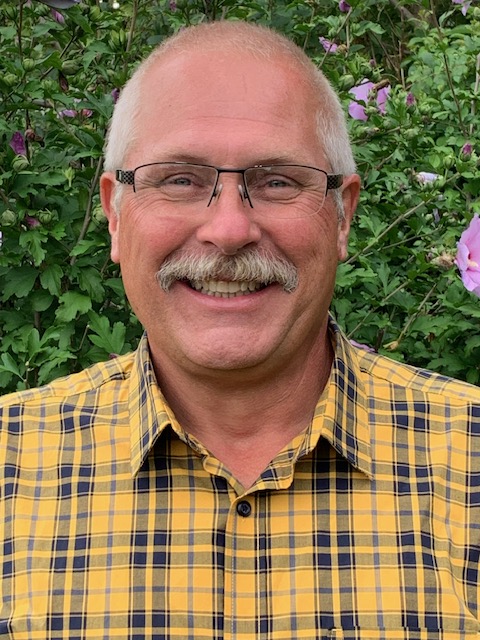
Councillors will make decisions next term that will shape the future of the county. Whether residential growth, how we deliver water and waste water services, or how we invest in infrastructure renewal, none of the decisions to be made are easy. We must continue to plan for the future needs of the County. Our community needs people with the experience to help guide us through change — and its challenges. It is critical for the future of the County that experienced people are at the horseshoe to effectively represent all our needs.
We face 3 critical issues.
1- Ensuring decisions regarding housing, both attainable and market, will continue to be top of mind, in particular making sure we have an abundant supply of rental housing.
PEC has a 0.3 percent rental vacancy rate, which is contributing to higher rents, driving long-time residents to seek opportunities further afield. Ensuring housing options are plentiful is core to addressing many social challenges, like food insecurity, the availability of workers to fill jobs, and making life in PEC more liveable.
2- We must be realistic about the need for a regional water supply. We must have fact-based data in order to make fiscally prudent decisions and to be able to plan appropriately for the renewal and replacement of our aging water and sewer infrastructure. All residents current and future served by the 100 year old Picton WTP deserve water from a clean, reliable source. Council has a legal responsibility under the Ontario Clean Water Act to ensure our water is safe. Currently Picton Bay is the highest risk drinking water source in the Quinte region. This is not acceptable. The Picton water source faces 3 threats. Leachate from the old dump, historical contaminants in bay sediment and contaminants from the former Proctor Silex site making their way into the bay.
3- We have a responsibility to create an economic environment with sustainable employment and opportunities for our residents. We need employment lands that businesses can locate to which will help us to diversify our local economy and build out a 4 season economy where everyone has the opportunity to be successful. Residents, and in particular our youth, need more and varied employment options. We need to be bold, think bigger and follow up on our plans if we are going to create an environment, a community, where all residents can flourish.
Residential growth needs to occur in our urban areas, not in rural areas. Continuing to limit rural severances is the best way to protect our agricultural lands and to ensure we safeguard what makes the county a special place. Developers need to recognize this and work with us.
The only way to achieve greater efficiency and financial stability in property taxes and infrastructure renewal is through more homes connected to the system. That means growth in our serviced (urban) areas. Builders or developers can and must partner with us, providing up front financing for infrastructure investments that serve their needs while assisting us with ours. Current rate payers cannot continue to cover infrastructure costs on their own. We have too few people to cover the cost of our services. Growth and densification in our urban areas is the only financially viable way to achieve this.
The county spends about $1 million of our share of the MAT on roads. I support this. There are, however, other small investments that benefit visitors and residents. I support continuing to evaluate where best to apply MAT funds during annual budget deliberations.
I have been the council representative on the Picton BIA for the past 8 years. I will continue to help our small business community to thrive, be successful and to grow. Small business is the backbone of every community.
I proudly support the municipal climate action plan. I look forward to having the opportunity to see the recommendations implemented.
Finally, I will continue to push back against those who would create divisions. We all need to work together. We all need to be civil with one another. We must work together to find consensus on the many pressing issues today and into the future.
See it in the newspaper