Canada’s oldest weekly newspaper
© 2026 The Picton Gazette
Since 1830


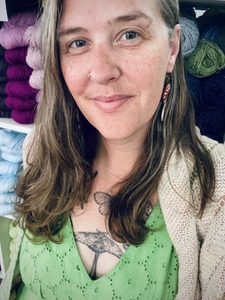
I have spent much of my life volunteering my time and energy for my community, much of it as an advocate for those in need. Most recently, I spearheaded a community advocacy campaign for an affordable housing build at the former Queen Elizabeth School. After years of working from the outside, I want to proactively bring positive change to Prince Edward County.
To me, the most important issue is the just over 1/4 of households experiencing food insecurity. Living in a community with such abundance — both financial and agricultural — and knowing that our food bank use is up 40 percent is shameful. We owe it to households struggling with food costs to address it in a measurable way. I would like to see a portion of the MAT dedicated to organizations like The County Food Hub and PELC, as well as innovations like Grown In The County, which is creating a direct connection between local growers and consumers. Protecting and supporting farm and agriculture lands is also a vital step in closing the food gap, and working towards not only food security for all but building food sovereignty. Yes, we need better roads and safe infrastructure, but supporting residents must be our first priority if we want to fix the rest.
Development is increasingly becoming a bit of a moot point here; we have empty houses in new subdivisions and the potential for hundreds more. We need to look at realistic growth numbers and what our current infrastructure can handle and reassess how much, if any, is needed. Any future developments must build on our heritage and natural spaces rather than detract from them.
As councillor, I would seek to come to a consensus on what a more realistic projected growth would look like and move forward from the data to make an informed decision about keeping our water safe.
My life in the County is tied to tourism, as so many others are. I worked here in the early 2000s when the wine industry was just starting to take hold. Early discussions around building the shoulder season have paid off over time. I see great potential in working with the industries that are already here — agriculture (including vineyards), local food production, arts and culture, and a huge variety of small businesses are the driving force of our communities. Supporting secondary revenues and tourism-adjacent products is key. Funding the arts — a draw year round — with festivals and events starting earlier and the season stretching well into December is key. Ensuring farm lands are protected and supported, and streamlining application processes for new business are steps we can also take to build sustainable, year-round employment.
I met with Visit The County earlier this month to understand how it uses its funds. The work they’re doing to promote and build our tourism season from November through March is vital.
For our portion, I would like to see 20 percent committed to supporting a better quality of life for residents: recreation and parks, services for youth like The ROC and County Kids Read, and environmental groups bring great benefit to our communities and largely exist through shoestring budgets and dedicated volunteers. The rest could be reserved for services and large scale projects: roads, infrastructure, housing, and transit where extra funds are needed.
Food security, affordable housing, transit and active transportation to support seniors aging in place, as well as the expansion and diversification of our economy, and strengthening our land and environmental protections would be my key issues on council.
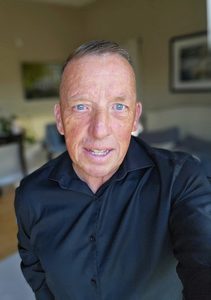
I’m excited to run because Prince Edward County and its wonderful residents mean so much to me. With decades of community involvement and 37 years leading teams in senior roles, as well as three years on the Finance board of Quinte Health Care, I’m confident I can bring valuable expertise, thoughtful decision-making, and genuine openness to our Council conversations. What matters most to me is managing our finances, improving our roads, and preserving what makes our County special—all while keeping it accessible and inviting for everyone.
I believe the biggest challenge right now is making sure people can actually afford to live here while we keep our roads in good shape, maintain our infrastructure, and provide the services everyone relies on. Our residents have every right to understand how their tax dollars are being used and what they’re getting in return.
I’m all for bringing more housing into our established towns and villages—especially where the existing infrastructure can handle it! I’d love to see a mix of options like smaller homes, rental apartments, secondary suites, and thoughtfully designed infill projects. The key is making sure any new buildings fit naturally with their neighborhoods in terms of size and style, while protecting our farmland, historic buildings, and natural spaces.
Ensuring safe, dependable drinking water should be at the top of our list. Here’s how I’d tackle it: I’d refresh the water systems in Wellington, Bloomfield, and Picton using a straightforward, step-by-step strategy that focuses on water safety, evaluates how well current infrastructure is holding up, and considers sensible growth forecasts. We’d tackle the most pressing issues first while making sure every significant investment makes solid sense.
I’m for building out a four-season economy that helps local businesses bring in more consistent cash flow and gives folks steady jobs throughout the year. Tourism can definitely be part of the mix—think fall harvest activities, winter arts and culture festivals, and spring events that get people exploring the County when it’s not packed with summer crowds.
I’d direct the municipal MAT funds toward visible, everyday improvements for residents. My top priorities would be fixing our roads, then tackling public restrooms, better waste management, and upgrading transportation in neighborhoods that see lots of visitor activity.
Visit the County/StayPEC need to share transparent spending reports and concrete outcomes: the number of overnight stays generated and business activity during slower seasons. What I’m aiming for is tourism that genuinely builds up our community, where we can track every single dollar spent.
Working at Lakeshore Farms has really shown me just how much farms, local businesses, and the community all lean on each other and work together.

Hello from Kyle Douglas Mayne, running in Ward 2 along with 7 others! It’s going to be a tight race.
I grew up in the County; I was born in the first year of the hospital that was just built in 1960. We all received a birth certificate with a gold seal saying that a boy or girl was born on that day in the first year of the new hospital.
I completed Grade 12 at PECI. It was a great place, and Pinecrest was too. The teachers we had were the best —and did it without any internet. I remember Mr. Brooks tried to tell us that in the future, we would have phones in our pockets. We did not think it could happen. But here we are with phones in our pockets and on some watches as well. Who would have thought.
I went to Dofasco and completed a welding apprenticeship and then welded there for ten years. I enjoyed the work and learning, but never liked the city life. I missed the people, caring for people, trees, open fields glowing in colour, the crops, and the smells you never find in a city.
I have taken many courses that will benefit being a councillor, and which will benefit the residents of Ward 2 and the County as a whole. I have been an assistant foreman, leading 8-40 people to reach our goals in a reasonable time frame.
The bottom line is I want to listen to the people and represent them. I want to see what I can do to help with getting fish back into the Mill Pond. As well, I feel the old salary was reasonable. Therefore I will be donating to food banks and other organizations with charitable donation receipts to help the people of the County.
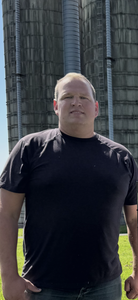
The decision to run for office was not made lightly. It came down to looking at what my next steps would be. I struggle to be part of something and not get involved. That something is life in the County. Raising our four kids with my wife on our farm and being actively involved in our community has given me the opportunity to make so many connections with families and individuals that share the same concerns I do.
Fiscal responsibility is the biggest concern. I say this because it encompasses so many different needs. Responsible maintenance and development of our infrastructure, moving forward with affordable housing, and working with groups that provide social services and recreation to our residents. I would work alongside the groups and associations that do a lot of the leg work in providing solutions to these problems. I believe there is room to work with developers. We can work together where we stay in control of our needs and not allow the “more is better” mentality.
There is no question our water and wastewater need to be addressed. I would be a strong voice in exploring the most sustainable way to achieve this. The notion to run a water line from Wellington to Picton to me is wild. I would work with professionals and existing recommendations to find a solution that won’t put a burden on residents.
The three-season businesses in the tourist sector are yearning for a four-season economy. Sitting down with them and hearing their ideas will be important. It is important to bring that connection back between council, residents and business owners.
The MAT tax is a great start to recouping funds from those who visit and sustain our economy. It can continue to improve our roads. They take the most abuse due to high traffic in peak season. I think Visit the County and StayPEC could continue to promote all the County has to offer; we can continue to work together.
Protecting our built and cultural heritage will in turn help protect farmland and strengthen environmental protections. Growth and development are important but not at the cost of losing the County we all know and love. Childcare is also at the forefront of my concerns. I see the stress families face with childcare. It will be important to find solutions to this problem.
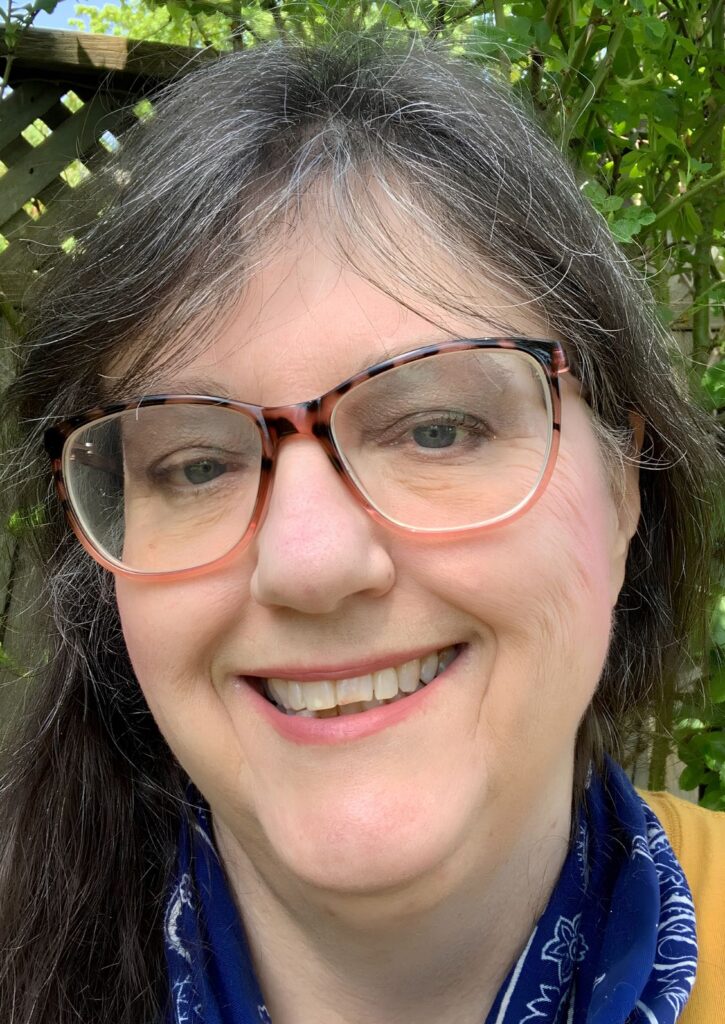
I believe the County needs councillors who understand both where we have come from and where we are going. I have lived in Ward 2 for 18 years, raised my son here, written multiple books, and spent years as a local journalist covering Council and listening to residents. I have seen our community grow, and I believe that managing growth carefully can yield positive results. I want to bring clear communication, independent thinking, and practical decision-making to Council, ensuring that the voices of people who live here year-round reach the decision-makers.
The most pressing issue is managing growth while keeping the County livable and affordable for the people who call it home. Housing, infrastructure, water, roads, and municipal services are all connected to that challenge. I would push for decisions based on what our infrastructure can realistically support, stronger long-term planning, and careful attention to the costs residents bear. We need housing that local people can afford and infrastructure that can keep pace. Above all, Council’s decisions keep our residents—not only tourism, development, or short-term revenue—at the centre.
I don’t believe the choice is between stopping development and unlimited development. There is a middle ground: building where infrastructure can support it, requiring development to respect the County’s landscape and community character, and making sure new housingcontributes to local needs. Growth should not mean losing the villages, agricultural land, heritage, and sense of community that make this place special. I will support clear, predictable planning rules so responsible developers know what to expect, while Council protects that which cannot be replaced. Development should fit the County rather than forcing the County to fit development.
We need to invest in infrastructure, but we cannot write blank cheques. Renewing water infrastructure in Wellington, Bloomfield, and Picton, and protecting reliable, clean drinking water, are priorities. I favour long-term asset planning, transparent cost estimates, and careful phasing so that major projects are affordable and achievable. Council should aggressively pursue provincial and federal funding, development charges, and other appropriate revenue sources before putting more pressure on taxpayers. Fiscal responsibility means planning ahead, not postponing essential work.
Tourism is important to the County, but a strong four-season economy cannot depend on summer visitors alone. We should encourage businesses and attractions that create stable, year-round employment, support residents, and bring economic activity into the shoulder and winter seasons. That means supporting arts, culture, agriculture, food, local manufacturing, recreation, and business development alongside tourism. Tourism should also contribute more directly to the community infrastructure it uses. I am not anti-tourism; I want tourism that works for residents and visitors alike.
I would use the municipal portion of the MAT to strengthen the County’s long-term capacity: infrastructure, public spaces, community amenities, and projects that help manage tourism impact. I want spending decisions to be transparent and tied to community benefits. Visit the County/StayPEC’s share should focus on promoting responsible, year-round visitation rather than increasing summer numbers. Marketing should encourage longer stays, shoulder-season travel, and experiences that spread visitors throughout the County.
I would pay attention to the gap between the County’s growing popularity and the reality of living here year-round. We need to ask, with every major decision: how does this affect the people who live, work, and raise families here? That includes affordability, housing, infrastructure, traffic, access to services, and the character of our communities. I would also make communication a priority. Residents should understand what Council is deciding, why it is being decided, and what it will cost. People may disagree with a decision, but they deserve openness, accountability, and a genuine voice.
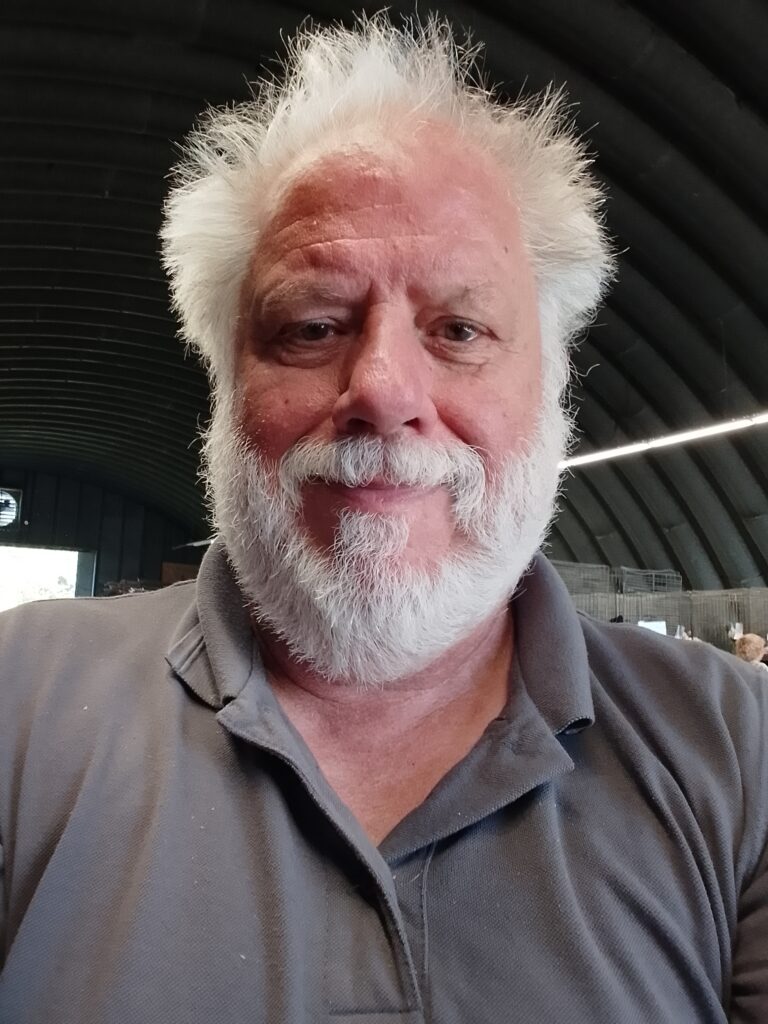
I only gave serious consideration to standing for council when I learned of the mayoral run of someone whose professionalism, character, and understanding of the County I know well.
The chance to serve on a reconfigured, responsible council is worth fighting for. Local government has the most immediate impact on the daily lives of people, and that importance and duty is too often considered as afterthought. It should be nimble and responsible, given that impact and importance.
The most pressing issue is cutting the Gordian Knot of a current water plan that is clearly delusional and dangerous. Real decisions about our true infrastructure needs must be made. The tarting up of numbers to potentially propel this tiny municipality into deep financial bondage betrays our history, and shows a lack of true stewardship and accountability.
The priority should be urban infills in both Picton and Wellington. Greenfield development is not a sustainable or genuine economy. James Kunstler has made a strong case that suburban development is “the greatest misallocation of resources in the history of the world.” The truth is municipal governments everywhere end up chasing new development to cover the massive costs in infrastructure and services.
We have three wonderful examples of walkable, attractive urban stretches in the County, part of our charm for visitors — but rather than buil on that, we prefer to look like Mississauga, Newmarket or Brampton.
Decisions about water infrastructure need to be based on the true requirements and carrying capacity of this municipality. Growth figures must be based on reality, and not conjured up and inserted into consultant’s reports. Our population has remained stubbornly consistent for 150 years. With only 54 residential building permits issued so far this year – and just 5 of those in water serviced areas – we are laughably short of the 150 per year required to meet the current 1 percent growth metric adopted by Shire Hall.
The Picton/Bloomfield and Wellington WTPs should be maintained as separate, smaller facilities. Upgrades must match the reality of a very small user base. And the highest standards of monitoring and of staff professionalism and education need to be maintained.
The true four-season economy is the activity that occurs to sustain and enhance our residents’ lives and work. A healthy core of shops, stores and services are both a driver and indicator of that balance. Agriculture continues as the major activity, along with the extraction industries. Technology has allowed quiet entrepreneurial business to establish, remote work to take root, and art to grow.
The shoulder seasons for visitors have increased dramatically, as the wine, dining and hospitality sector matures, and the same visitors grow to recognize our beauty across the seasons, and not just in summer. But the County will always have a natural rhythm to its economy. Balancing and anticipating that is our growing skill.
Given that much of MAT revenue comes from housing stock that has been taken off the market for families to buy or rent, I would like to see the municipal share used to fund affordable housing initiatives and projects.
Two factors that had me choose the County over 30 years ago were the vibrant agricultural history and the beauty of what was created by hand and nature and allowed to exist here. Alone and apart. I helped establish a new agricultural sector with winegrowing, and upon municipal amalgamation was appointed to the first few heritage advisory committees advising council. Those remain two very strong motivations.
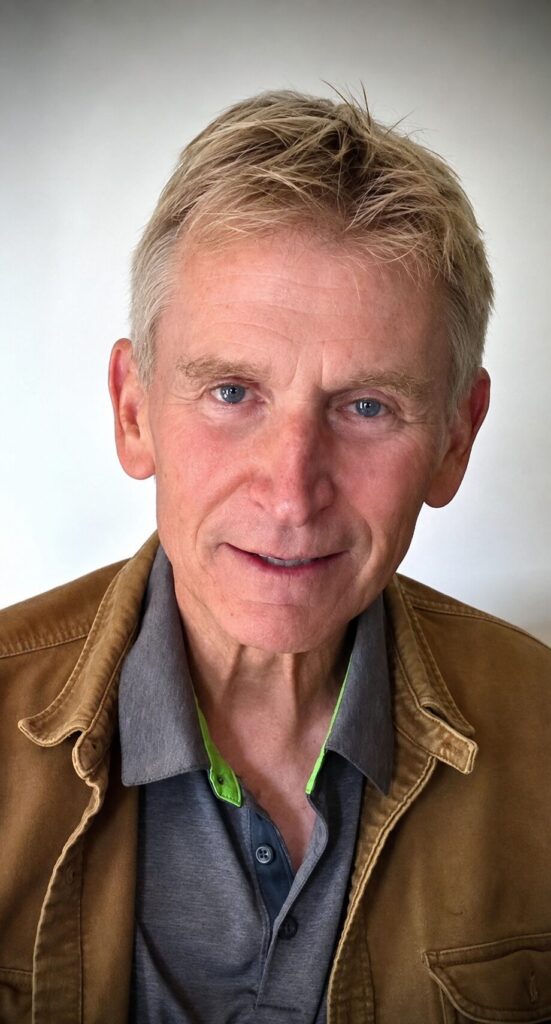
I proudly regard myself as first and foremost a farmer. There is a deep-seated pleasure in producing food people will eat and enjoy! I believe once a farmer, always a farmer – it gets in your blood. I would like to bring that perspective to Council.
I was a school board trustee for two terms representing Wellington. I enjoyed those years while my children were in school. Now with 7 grandchildren (generations Alpha and Z) growing up in the County, I have hopes of making contributions at the municipal level, focusing on the farm sector, climate issues and fiscal responsibility so that these young people will be able to see their future right here at home.
The most pressing issue is probably general affordability – especially for Generation Z — but sorting out water and waste management for those residents on municipal services seems to be the top issue. The options range from necessary updates to existing services versus a tax burden which many fear will flood past those with services to becoming an element of the property tax shared County-wide.
There seems to already be enough land set aside for urban development. In an effort to encourage young people to move here/stay here, encouraging developers to look at building homes for first-time buyers is very important. Could developers delivering a product below a certain threshold price be offered some additional encouragement to do so with lower development charges? Whatever happened to the affordable housing project on the old Dukedome site, and for seniors, the old Pinecrest site?
It’s incredible we have evolved to the point that such notable entities as Conde Nast Traveler have determined we are a must-visit location in all of North America and our food scene is on its Best Places to Eat in 2026. That reputation would seem to encourage more four season visits. What more can we do? It’s probably happening already, but knowing what brings tourists to the County as well as what annoys visitors about us might help us stretch the number of seasons they visit.
One small item is charging people for parking too long in Wellington. That’s just one of those irritants that might make one find somewhere else to go.
As I understand it the municipal portion of the MAT is spent on collecting the 4 percent fee from County accommodations, leaving the balance to be split between Visit the County and Stay PEC. With what I know currently, I can’t think of any reason to adjust the current split.
Creating an environment that encourages our young people to stay, have families and build a life here depends on our near urgent attention to all of these issues.
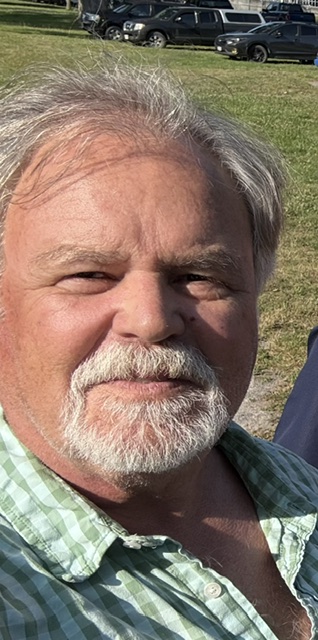
I am excited by the prospect of being on Council and using the experience I have gained after 40 years as a community planner working on some of the most complex issues in some of the most challenging communities in Ontario.
There is no doubt that the biggest issues are continuing debt, ever rising property taxes, and the threats and unknown costs of proposed housing projects in both Wellington and Picton which will change the nature of the community as we know it. There is a fear of out-of-control rates for water/wastewater facilities, and a widespread skepticism of those in control at Shire Hall.
But all is not lost. We have dedicated, professional staff who want to work with Council. In many cases, this collaboration has been hampered by a Council that didn’t work together to find solutions and became dysfunctional, which simply breeds mistrust. With the right, knowledgeable councillors who have the experience and are willing to take the time to explore creative alternatives and challenge the accepted facts, we can move forward to embrace growth while still maintaining the character and heritage of this place we love.
My decades of experience bringing together community residents with municipal staff, politicians and consulting experts to find solutions makes me a natural choice for Councillor. I have spent years helping people navigate bureaucracy. This is what I do best.
With respect to tourism and the MAT tax, I am committed to supporting the new economy of agri-tourism as a job generator for our youth. I am also aware that our young families and our aging population need housing, especially rental, and I support creative re-thinking of our zoning in areas like Picton’s industrial park — home to our new Hospital — where key parcels could be re-purposed for rental development within walking distance of downtown shopping. This would also put growth where the infrastructure is. I believe we should review the MAT portion the County receives and consider using some of it towards housing, especially since short-term accommodations have taken almost 1000 housing units out of the long-term supply.
Lastly, the natural environment is what makes PEC special. There is no other place like it in Ontario. As a co-founder and Director of Save Picton Bay, I was proud to be part of a grassroots advocacy group that focused on protecting a key source of clean drinking water and stopping industrial pollution. To learn more about me please visit my website, victorlind.ca.
See it in the newspaper