Canada’s oldest weekly newspaper
© 2026 The Picton Gazette
Since 1830


 14° Cloudy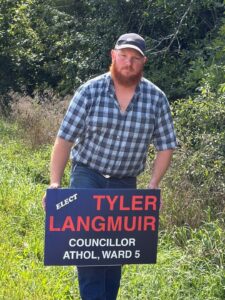
I decided to run for Council because of my genuine love for the municipality and the people who call it home. I want residents to feel that they have a voice in the decisions that affect their communities. I see areas where I believe I can stand up, listen to residents’ concerns, and help bring about meaningful change.
From what I have been hearing, some of the most pressing issues are the condition of our roads, the availability of attainable housing, and concerns about development.
I believe development is necessary for the future of the County, but it needs to be well planned and managed. I also believe we should look for ways to make the development approval process more straightforward and efficient for responsible developers, while still protecting what makes us unique. New development should respect our communities, our environment, and our small-town character.
At the same time, we need to make sure that infrastructure keeps pace with growth. We should not get too far ahead of ourselves or commit taxpayers to projects without carefully considering whether we have the infrastructure, resources, and long-term financial capacity to support that growth. Responsible planning means making the best use of taxpayers’ money and avoiding unnecessary spending.
I also believe the County should explore ways to strengthen our economy throughout all four seasons. We have an opportunity to reduce our dependence on seasonal tourism and create a more stable, year-round economy. I believe this is something Council should seriously investigate and develop a practical strategy for.
If I were given the opportunity to determine how the approximately $2 million in Municipal Accommodation Tax revenue could best benefit the community, I would look at directing a significant portion toward road maintenance, repairs, and replacement. I would also like to see improved access to child care, which is an important issue for families and for the long-term sustainability of our communities.
Ultimately, I want to be a councillor who listens to residents, represents their concerns, and makes decisions based on what is best for the long-term future of Prince Edward County. I believe we can support responsible growth while still protecting the character, community, and quality of life that make the County such a special place to live.
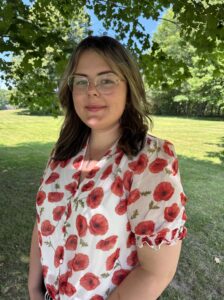
When I knew the seat for my home ward of Athol was open I jumped at the chance to represent my ward. To protect the County and make it a place where our families can live, work and play for generations to come. I watched some council meetings and reached out to the incumbent to get a better understanding of what I was getting into, and the rest is history.
The most pressing issue is our budget and debt. Residents are worried about a further increase in property taxes. Council needs to focus on controlling the debt and getting back to the basics with the budget. The municipality has been spread too thin and I am looking forward to, if elected, discussing the budget and seeing where we can trim instead of raising property taxes.
We need to decide how much development the County wants, not how much we can handle. Once a vision for the future is established council needs to look at it from all angles: creating housing for our youth doesn’t stop at a set of house keys, it extends to jobs, community and affordability. Overdevelopment is a real threat to the County’s unique sense of place, which is why people want to come here. If we lose that, we lose our economy and our residents. Pacing development to natural growth is one place to start. We also need to focus on creating a habitable environment for youth in the County to stay.
If development is to continue, developers need to pay upfront. Presently, the County needs to ensure accurate contingencies for unanticipated costs. This is to appropriately fund the project through reserves and grant funding or loans rather than take on short term debt to cover unforeseen costs.
I would like to see locals reconnected with their local businesses. Keeping money in the County is the best way to protect our local economy. When it comes to tourism, it needs to be sustainable; there is no question residents feel the strain during peak seasons. Instead of relying on bringing people in to support local businesses, we should promote stay-cation tourism to balance sustaining those who financially rely on the tourism economy and reducing the wear and tear from bringing in tourists from outside the County.
First and foremost I would use the MAT proceeds to go to any costs that the County takes on to accommodate tourism, such as the increased maintenance required for our roads. We could create a four-season tourist economy based on our residents rather than bringing people in from outside. I would like to see the DMOs increase funding for community projects.
Farmland, heritage and the environment must be protected. I would like to collaborate with community partners to see an increase in childcare spaces and create spaces for disabled and medically fragile children.
I felt the need and chose to run for office because local government makes the best decisions when it reflects the people it serves. As a disabled resident living mainly paycheck-to-paycheck, I don’t just read about the gaps in our community, I navigate them every day. That type of lived experience gives me the insight and urgency to advocate for our overlooked and under represented neighbours, expand accessible community events, and ensure no resident is left behind.
The County’s most critical challenge is the dual crisis of housing affordability and food insecurity. Skyrocketing rents directly drive empty pantries. We are seeing a 40 percent increase in the use of local food banks. Residents are choosing between shelter and feeding their families. Council must prioritize genuinely affordable housing developments and partner with local community food programs to ensure no resident has to choose between paying rent and buying groceries.
Sprawling tract developments threaten the County’s unique character far more than intentional, community-scale homes do. We should be reining in large-scale subdivisions and instead requiring developers to meet strict affordability criteria with rent caps.
Alternative stepping stones, such as community lodging and co-housing with shared kitchens, protect our small-town fabric, fit into our neighborhoods, and give residents a bridge toward long term stability.
With the age of the Picton plant it is not far-fetched to believe that an emergency fix would be more expensive than a planned one. Prudent fiscal management means investing up front in independent, third-party planning to map out real costs and the worst-case risks at the Picton plant before a breakdown forces our hand. By tackling infrastructure renewal in clear, phased stages we can protect clean drinking water for Picton, Bloomfield and Wellington without passing unsustainable burdens onto ratepayers.
We need to think outside of our summer-season boom and bust. Summer tourism takes care of itself because of our beaches, wineries and our art industry, but a true four-season economy requires intentional investment in the arts and our natural heritage. By actively funding the arts year-round and promoting winter retreats, bird watching and quiet-season getaways, we could support local creators, diversify our visitor base, and keep our main streets and small businesses financially stable in every season.
On the MAT: a tax generated by visitors should, first and foremost, make life easier for the residents who keep this community running. I want our municipal share of MAT funds invested directly in local well-being: bolstering emergency food bank funding and creating low-barrier community programs and activities. When tourism here thrives, local residents deserve to feel the direct benefit in their daily lives. For StayPEC and Visit the County’s portion: VTC has made good strides in transparency and investing in transit and amenities. Moving forward I would like to see it focus on the practical, everyday impacts of visitor traffic. A great step would be funding and maintaining garbage and recycling bins across all wards. Keeping our public spaces clean protects our rural charm, respects residents, and improves the experience for locals and visitors alike.
Environmental protection and economic vitality are linked to how we live every day. When we protect our farmland and halt sprawl, we safeguard local foodways and rural identity.
Pairing that with year-round arts funding and genuinely affordable housing and stepping-stone lodging creates an economy that could sustain us in all four seasons. True resilience means protecting our natural heritage while ensuring working families, fixed income seniors and vulnerable residents are not priced out or forgotten.
Cherry Valley is home. My husband and I are raising our two girls here, we own a home here, and I’ve operated my business, Lakecroft, for more than six years here. I care deeply about what this community looks like 10 or 20 years from now, and I believe my experience can be useful. I spent 15 years managing complex projects and working across different departments and priorities. As a local business owner, I’ve also experienced municipal processes firsthand.
For me, good local government isn’t only about responding to today’s issues; it’s also about having a clear vision for where our community wants to go and working toward it together. How we manage growth and affordability while maintaining the services and infrastructure residents depend on is key.
Council needs to look at the full financial and operational impact of decisions, not deal with each issue in isolation. The infrastructure needs facing Picton, Bloomfield and Wellington are significant. This is where strong project management and long-term planning really matter. Before committing to major expenditures, Council needs to understand the options, risks, lifecycle costs and long-term financial implications. We shouldn’t assume that every major infrastructure cost has to be carried locally. We should examine how comparable municipalities are approaching major infrastructure projects and make sure we are taking full advantage of provincial and federal funding, development charges where appropriate, and developer contributions.
I support the work our tourism organizations are doing, particularly the focus on building a four-season economy. But I am cautious about treating MAT as a “windfall,” or assuming that increasing the tax is an easy way to generate more revenue. MAT is added to the price visitors pay for accommodations. As an accommodation operator myself, I know how price-sensitive this market can be. We compete with destinations across Ontario and beyond, and operators often have to adjust their rates to account for the cost of a stay. We need to be careful that, over time, we don’t price Prince Edward County out of the market.
For the municipality’s half of the MAT, I would prioritize infrastructure and services that serve both residents and visitors. I would also like to see a stronger focus on results-based funding. Accounting tells us where MAT dollars were spent, but we should also understand what those investments achieved. Where appropriate, clear objectives and results should be established before funding is provided. Did an initiative increase overnight stays or off-season visitation? Did it encourage longer stays? Did it generate greater year-round economic activity?
See it in the newspaper