Canada’s oldest weekly newspaper
© 2026 The Picton Gazette
Since 1830


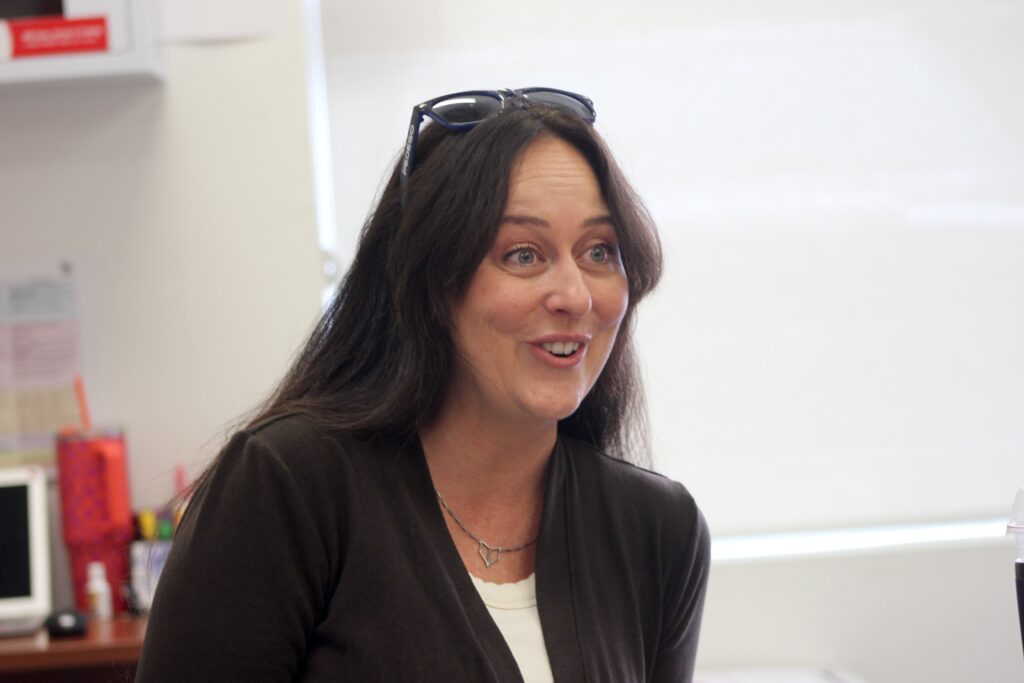
I’ve spent 33 years in Sophiasburgh, where I was born, and where I learned the importance of neighbours helping neighbours. My work in business, media, the arts and non-profit organizations has taught me to listen, bring people together and turn ideas into realities. I want to serve in a way that honours past generations and ensures future generations can call the County home, too.
We face many serious issues, but affordability is the thread that connects them. Council must scrutinize spending, pursue operational efficiencies before tax increases and deliver value for taxpayers.
I support an independent review of Council’s size and structure while protecting rural representation. We also need responsible growth that expands our tax base without leaving existing residents with avoidable costs.
The choice is not simply to stop development or move ahead at any cost. We need growth that protects community scale, heritage, farmland, and natural ecosystems. Projects meeting those expectations should receive clear and timely decisions. We must also consider who carries the infrastructure costs while large developments take decades to complete. Secondary suites, modest infill, apartments, co-operatives and non-profit housing could meet community needs sooner.
Safe drinking water is non-negotiable, but so is financial responsibility. Council must independently examine growth projections, capacity, costs and timing before committing residents to generations of debt. Urgent safety and replacement work should come first, with expansion phased as growth occurs. We must pursue government funding, recover appropriate growth-related costs from development, and clearly show residents how each option will affect their bills.
I have watched our tourism season expand to include spring and fall. I would support more winter endeavours, including a unique winter festival that residents and visitors could enjoy together.
A sustainable year-round economy also requires workforce housing, childcare, reliable internet and support for agriculture, trades, creative industries and small businesses. Success should mean stable employment and stronger local businesses—not simply more visitors.
I would review whether increasing the MAT from 4 percent to 6 or 7 percent could raise revenue without unfairly affecting accommodation providers. I would direct the County’s share toward infrastructure affected by growth and tourism, particularly water and wastewater systems and rural roads.
Visit The County and StayPEC already do valuable work. Additional funding could promote community events throughout all four seasons and encourage visitation beyond peak summer months.
I would prioritize protecting the County’s character, rural communities, towns, agricultural heritage and unique culture. Growth for growth’s sake can leave behind the people and qualities that make this place special. We must welcome thoughtful change without losing sight of what and who we are protecting.
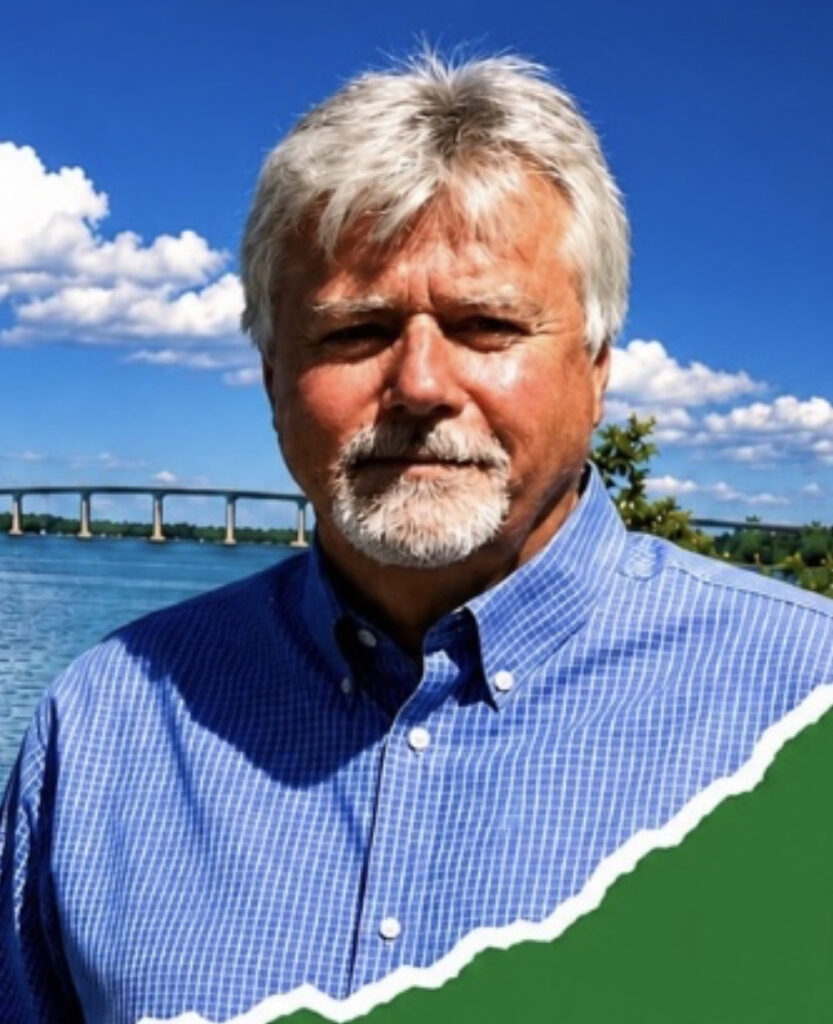
With PEC (and Sophiasburgh) facing serious issues — tariffs, climate extremes, global inflation, supply chain disruptions, wars — we need serious leadership. This will be my fourth election. The experience I’ve gained over the past 12 years has prepared me to take on the crucial challenges our County will face over the next 4 years with confidence and a proven track-record. Canada is at a pivotal moment for economic sovereignty and independence. To succeed it needs strategic, resilient and thriving municipalities. The municipal is the closet level of government to workers, businesses, and residents. These aren’t normal times.
All 444 municipalities in Ontario face the same issue: providing a high quality of services within the tax base available. We need to pursue a revised framework of provincial-municipal funding and curb the downloads onto our local rate- and taxpayers. Belleville and Napanee are reaching out for opportunity. Federal defence spending in Eastern Ontario is scheduled to invest $2 billion here over the next years, creating thousands of jobs for everything from supply-chain infrastructure, skilled trades, targeted small manufacturing (think drones), attainable housing, and local food.
The entire St. Lawrence corridor in Eastern Ontario is poised to see significant growth and investment and we must be part of that critical conversation… not left behind.
The population of the County will grow over the next few decades. New — and conservative —estimates are 6.5 percent from 2025-2035, and 15 percent from 2025-2050. The province is even more bullish on Quinte/PEC growth: it has announced plans to build out another $2 billion in electricity infrastructure and transmission lines. That means jobs, too.
It’s the responsibility of our elected Council to ensure that growth reflects the heritage traditions of Prince Edward County, and the values that define our history. We need to be tough negotiators with those who bring forward development proposals. But we also need to be responsible partners for developers that bring forward affordable rental and market opportunities. So, yes there is a “middle way”: we need to grow in the right places, direct new housing to our existing settlement areas and to lands already developed, and where services exist or can be extended efficiently. Developers should know before they design a project what the community expects on scale, materials, streetscape, and green space; bring back more of the housing we once built with “gentle density,” like apartments above shops, duplexes, garden suites and small multi-unit buildings that fit comfortably on streetscapes; plan for infrastructure honestly and collaboratively; make affordability a requirement not an afterthought; and hold everyone to their word, including Council. A “made in the County” approach is much preferred to a provincially imposed one.
I want to acknowledge folks who pay for our water/wastewater systems. There are less than 6000 households and businesses involved and their bills are among the highest in Ontario. The Picton water plant has parts dating from 1928, the auditor says our system has a maximum of 10 years left, Picton’s intake is one of the worst in the province, and I don’t see delay saving us money. There are already about $100 million worth of “fixes” just to preserve the status quo.
High quality infrastructure, including clean water, is essential to the wellbeing of settlement areas. We mustn’t fear to plan and build. Prudent fiscal management means creating frameworks and agreements with developers, and securing the appropriate funding from provincial and federal governments. In a nutshell: plan now, commit in phases, make growth pay for growth, chase every dollar, spread the fixed costs, protect low/fixed income residents, and be transparent.
Again, we shouldn’t be passive about opportunity. For example, high-speed rail. If it proceeds (with adjustments that protect prime agriculture and natural heritage), it could deliver significant benefits to communities along the 401 corridor: new community centres, roads, housing builds, and 50,000 direct jobs and 150,000 indirect ones! Alto is the largest Canadian infrastructure project since the St. Lawrence Seaway! Already Quinte neighbours are making moves to seize the moment. We should too.
A four-season economy is on our path. It should include innovations in agriculture, information technology enterprises, and specialized manufacturing.
MAT requires municipalities share 50 percent of the revenues with independent, non-profit tourism organizations. That leaves about $1 million for the municipality to invest in infrastructure. $1 million gets one kilometre of paved road. We need VTC and StayPEC to work with us on things like a state of the art “Performing Arts Calendar,” and promote to a larger audience. The remainder should be impact investment, into reserves funds and, perhaps, funding the equivalent of County Docs recruitment for County Nurse Practitioners. Any move to increase the MAT from 4 to 6 percent should involve consultation with businesses.
The record shows that I’ve supported all these issues during my time on Council, including others with my personal resources like Hospice Prince Edward, The County Food Hub, and our hospital. I’m particularly interested next term in affordability, economic resilience, and promoting PEC as the ideal place to raise a family and for seniors to comfortably retire.
See it in the newspaper